Librem Mini v2, actualización del mini PC de Purism disponible desde principios de mes

Librem Mini v2

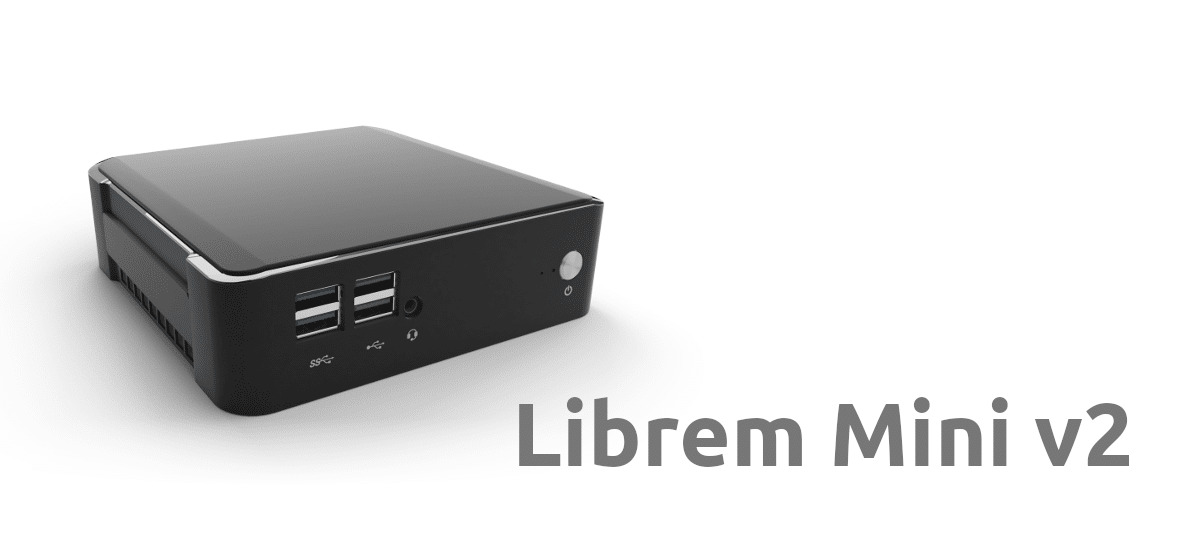
Hace ocho meses, Purism, quien fabrica terminales como el Librem 5 y software como el sistema PureOS o la interfaz móvil Phosh, lanzó un mini PC interesante para los usuarios de Linux. A principios de este mes, la compañía lanzó una segunda revisión del mismo, un Librem Mini v2 que ya está disponible, pero sin novedades realmente destacadas. Como la primera versión, y la mayoría de sus productos, este mini PC también usa componentes libres y se ha centrado en la privacidad de los usuarios que decidan adquirirlo.

El principal motivo por el que Purism ha lanzado el Librem Mini v2 es que han actualizado la configuración de su procesador. Más concretamente, el de la segunda versión está basado en el framework del de la primera, pero usa un procesador principal de 10ª generación. Tenéis el resto de especificaciones tras el corte, incluyendo su precio, algo que avanzamos que tampoco ha sufrido ningún cambio destacable (de hecho, es el mismo).

Especificaciones del Librem Mini v2

  • Procesador: Intel Core i7-10510U (Comet Lake), refrigeración activa, 4 núcleos, 8 Threads, hasta 4.9GHz.
  • Gráficos: Intel UHD Graphics 620.
  • Memoria: DDR4-2400, 2 ranuras SO-DIMM, 8GB de entrada, soporte hasta 64GB, 1.2V DDR4 L2133/2400MHz.
  • Almacenamiento: 1 SATA III 6Gbps SSD/HDD (7mm), 1 M.2 SSD (SATA III/NVMe x4).
  • Vídeo: 1 HDMI 2.0 4K@60Hz, 1 DisplayPort 1.2 4K@60Hz.
  • Puertos USB: 4 x USB 3.0, 2 x USB 2.0, 1 x USB Type C 3.1.
  • Audio: 3.5mm AudioJack (el mismo puerto para la entrada de audio y para la salida).
  • Red: 1 RJ45 (Gigabit Ethernet LAN), módulo opcional Atheros ATH9k, 802.11n (2.4/5.0 GHz). Importante este punto, porque no viene incluido en el modelo de entrada.
  • Bluetooth: Ar3k Bluetooth 4.0 (opcional).
  • Energía: 1 botón de encendido, DC-IN Jack.
  • Dimensiones: 5.0″ x 5.0″ x 1.5″ (12.8 cm x 12.8 cm x 3.8 cm).
  • Peso: 1KG.

Lo anterior es el ordenador en su modelo de entrada, que tiene un precio de 699$ (589€), pero podemos ampliarlo hasta 64GB de RAM, 2TB en SSD, añadirle la tarjeta WiFi y otro hardware como el teclado. Aunque en un principio sólo se anuncian como disponibles en territorio estadounidense, también realizan envíos. Los usuarios interesados pueden realizar el pedido desde este enlace.

from Linux Adictos https://ift.tt/36Iai06
via IFTTT
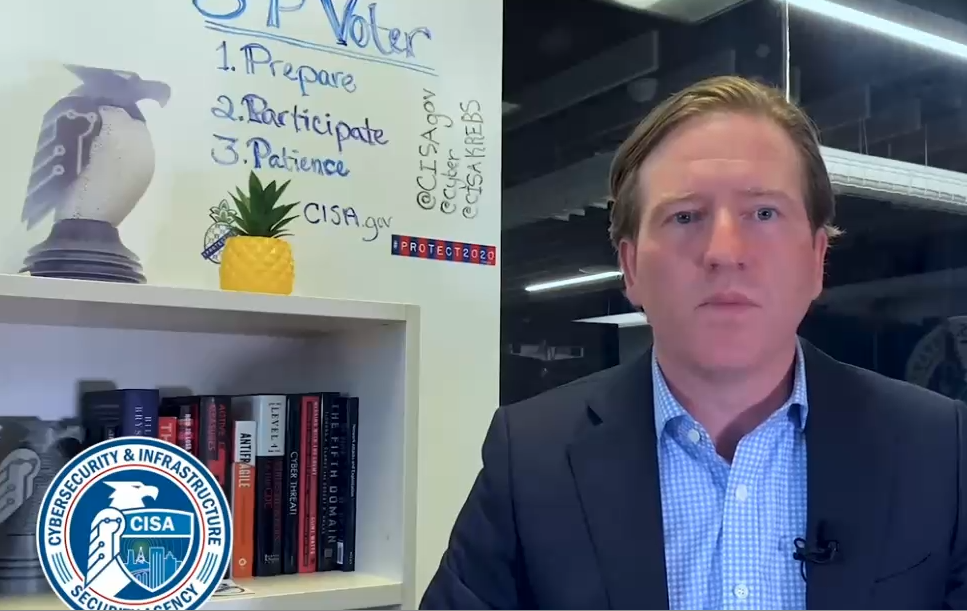
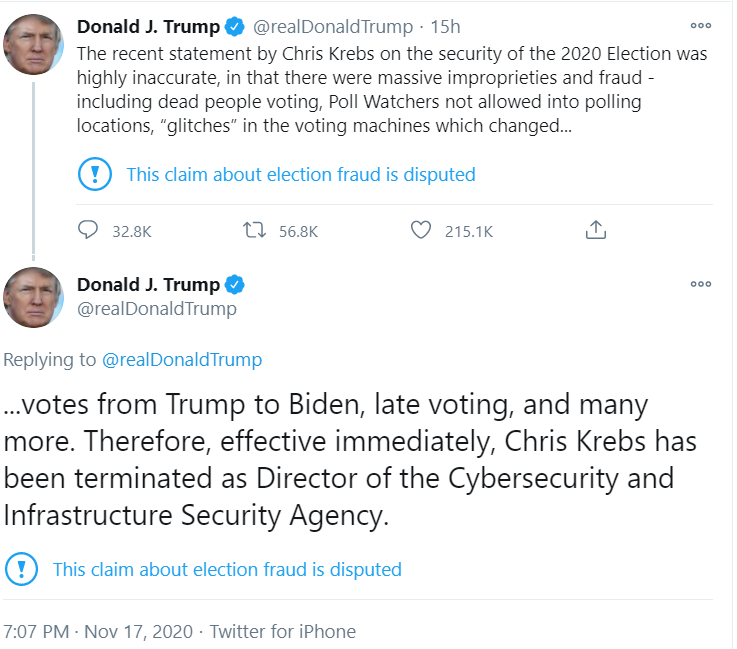
Trump Fires Security Chief Christopher Krebs

President Trump on Tuesday fired his top election security official Christopher Krebs (no relation). The dismissal came via Twitter two weeks to the day after Trump lost an election he baselessly claims was stolen by widespread voting fraud.

Chris Krebs. Image: CISA.

Krebs, 43, is a former Microsoft executive appointed by Trump to head the Cybersecurity and Infrastructure Security Agency (CISA), a division of the U.S. Department of Homeland Security. As part of that role, Krebs organized federal and state efforts to improve election security, and to dispel disinformation about the integrity of the voting process.

Krebs’ dismissal was hardly unexpected. Last week, in the face of repeated statements by Trump that the president was robbed of re-election by buggy voting machines and millions of fraudulently cast ballots, Krebs’ agency rejected the claims as “unfounded,” asserting that “the November 3rd election was the most secure in American history.”

In a statement on Nov. 12, CISA declared “there is no evidence that any voting system deleted or lost votes, changed votes, or was in any way compromised.”

But in a tweet Tuesday evening, Trump called that assessment “highly inaccurate,” alleging there were “massive improprieties and fraud — including dead people voting, Poll watchers not allowed into polling locations, ‘glitches’ in the voting machines that changed votes from Trump to Biden, late voting, and many more.”

Twitter, as it has done with a remarkable number of the president’s tweets lately, flagged the statements as disputed.

By most accounts, Krebs was one of the more competent and transparent leaders in the Trump administration. But that same transparency may have cost him his job: Krebs’ agency earlier this year launched “Rumor Control,” a blog that sought to address many of the conspiracy theories the president has perpetuated in recent days.

Sen. Richard Burr, a Republican from North Carolina, said Krebs had done “a remarkable job during a challenging time,” and that the “creative and innovative campaign CISA developed to promote cybersecurity should serve as a model for other government agencies.”

Sen. Angus King, an Independent from Maine and co-chair of a commission to improve the nation’s cyber defense posture, called Krebs “an incredibly bright, high-performing, and dedicated public servant who has helped build up new cyber capabilities in the face of swiftly-evolving dangers.”

“By firing Mr. Krebs for simply doing his job, President Trump is inflicting severe damage on all Americans – who rely on CISA’s defenses, even if they don’t know it,” King said in a written statement. “If there’s any silver lining in this unjust decision, it’s this: I hope that President-elect Biden will recognize Chris’s contributions, and consult with him as the Biden administration charts the future of this critically important agency.”

KrebsOnSecurity has received more than a few messages these past two weeks from readers who wondered why the much-anticipated threat from Russian or other state-sponsored hackers never appeared to materialize in this election cycle.

That seems a bit like asking why the year 2000 came to pass with very few meaningful disruptions from the Y2K computer date rollover problem. After all, in advance of the new millennium, the federal government organized a series of task forces that helped coordinate readiness for the changeover, and to minimize the impact of any disruptions.

But the question also ignores a key goal of previous foreign election interference attempts leading up to the 2016 U.S. presidential and 2018 mid-term elections. Namely, to sow fear, uncertainty, doubt, distrust and animosity among the electorate about the democratic process and its outcomes.

To that end, it’s difficult to see how anyone has done more to advance that agenda than President Trump himself, who has yet to concede the race and continues to challenge the result in state courts and in his public statements.

from Krebs on Security https://ift.tt/3pEGrOP
via IFTTT

Esta herramienta de Google convierte tus dibujos en tétricas bestias de mazmorra

Esta herramienta de Google convierte tus dibujos en tétricas bestias de mazmorra

Hablar de Google, entre otros, es hablar de inteligencia artificial y aprendizaje automático. Gracias a esto tenemos un asistente de voz completo, un sistema operativo que aprende de nuestro uso y un reconocimiento de imágenes integrado dentro de Google Lens. Todo esto está muy bien pero… ¿y si pudiera convertir cualquier dibujo en una criatura fantástica?

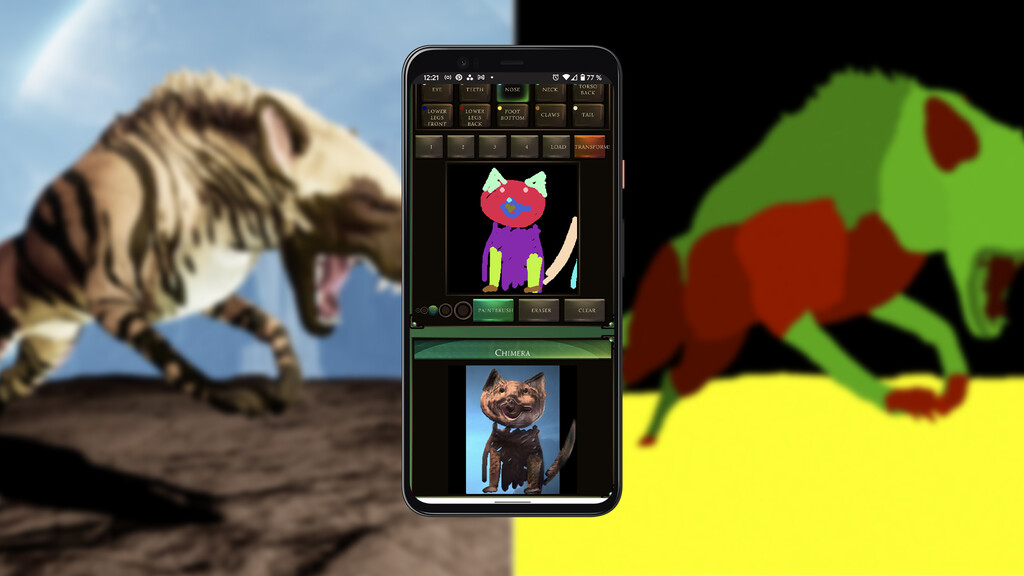
El experimento que nadie ha pedido pero que ha llegado para quedarse se llama Chimera Painter y es un modelo de aprendizaje automático que permite convertir nuestros dibujos en criaturas algo tétricas. A través de una red generativa antagónica (GAN), Google es capaz de hacer que un garabato “cobre vida”. La herramienta, además, funciona desde el teléfono, así que vamos a explicarte en qué consiste.


Continue reading

Android 9 Pie comienza a llegar a los televisores Sony con Android TV: todas las novedades

Android 9 Pie comienza a llegar a los televisores Sony con Android TV: todas las novedades

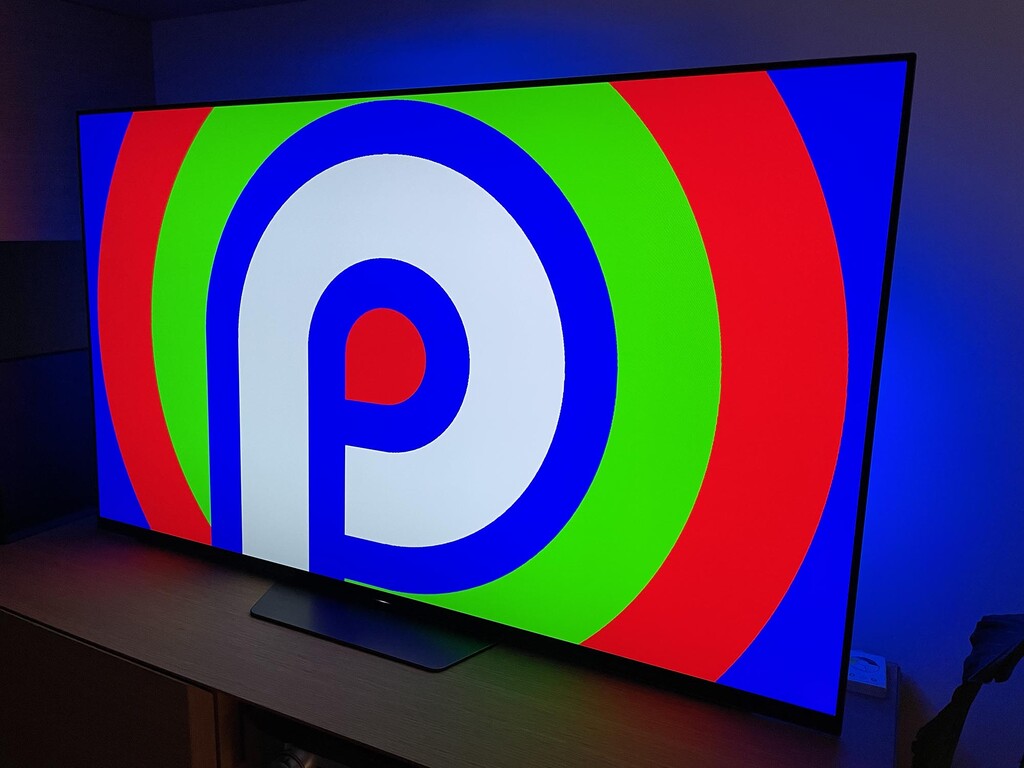
Sony es una de las marcas que ha apostado por Android TV para dar forma a sus televisores inteligentes. Un sistema operativo que se actualiza de forma periódica y que ahora ve como llega la versión de Android Pie 9 a los televisores lanzados entre los años 2016 y los más actuales de 2020. Una puesta al día que ahora llega a España y otros países de Europa.

No es la versión más reciente, puesto que Android para televisores ya cuenta con Android 11 en un lanzamiento disponible para proveedores y fabricantes. No obstante, el fabricante japonés no suele ser muy rápido a la hora de actualizar, por lo conviene armarse de paciencia. En esta ocasión, la actualización aporta algunas mejoras en lo que respecta a funciones, aunque no tan visuales cómo en el paso a Android Oreo. Continue reading

Fortnite estrena videollamadas desde el móvil gracias a HouseParty: juega y mira a tus amigos

Fortnite estrena videollamadas desde el móvil gracias a HouseParty: juega y mira a tus amigos

La app de videollamadas en grupo HouseParty ha introducido un nuevo modo para aprovechar las partidas online de Fortnite: videollamar a los amigos y verlos mientras combaten todos juntos en la isla de Fortnite.

Jugar en streaming y hablar con los amigos no es algo complicado ya que gran parte de los juegos, como Fortnite, implementa su propio chat de audio. Ahora bien: ¿y si lo que queremos es ver a nuestros amigos? Pues ahora tenemos una nueva manera de conjugar las videollamadas en el móvil con Fortnite: la célebre app HouseParty ha llegado a un acuerdo con Epic Games. Su uso promete ser sencillo y muy divertido.


Continue reading