Every organization should be paying attention to the attacks targeting financial services systems.
from Dark Reading: https://ift.tt/2OIeHY3
via IFTTT

Every organization should be paying attention to the attacks targeting financial services systems.
from Dark Reading: https://ift.tt/2OIeHY3
via IFTTT
Tiny hidden spy cameras are a common sight at ATMs that have been tampered with by crooks who specialize in retrofitting the machines with card skimmers. But until this past week I’d never heard of hidden cameras being used at gas pumps in tandem with Bluetooth-based card skimming devices.
Apparently, I’m not alone.
“I believe this is the first time I’ve seen a camera on a gas pump with a Bluetooth card skimmer,” said Detective Matt Jogodka of the Las Vegas Police Department, referring to the compromised fuel pump pictured below.
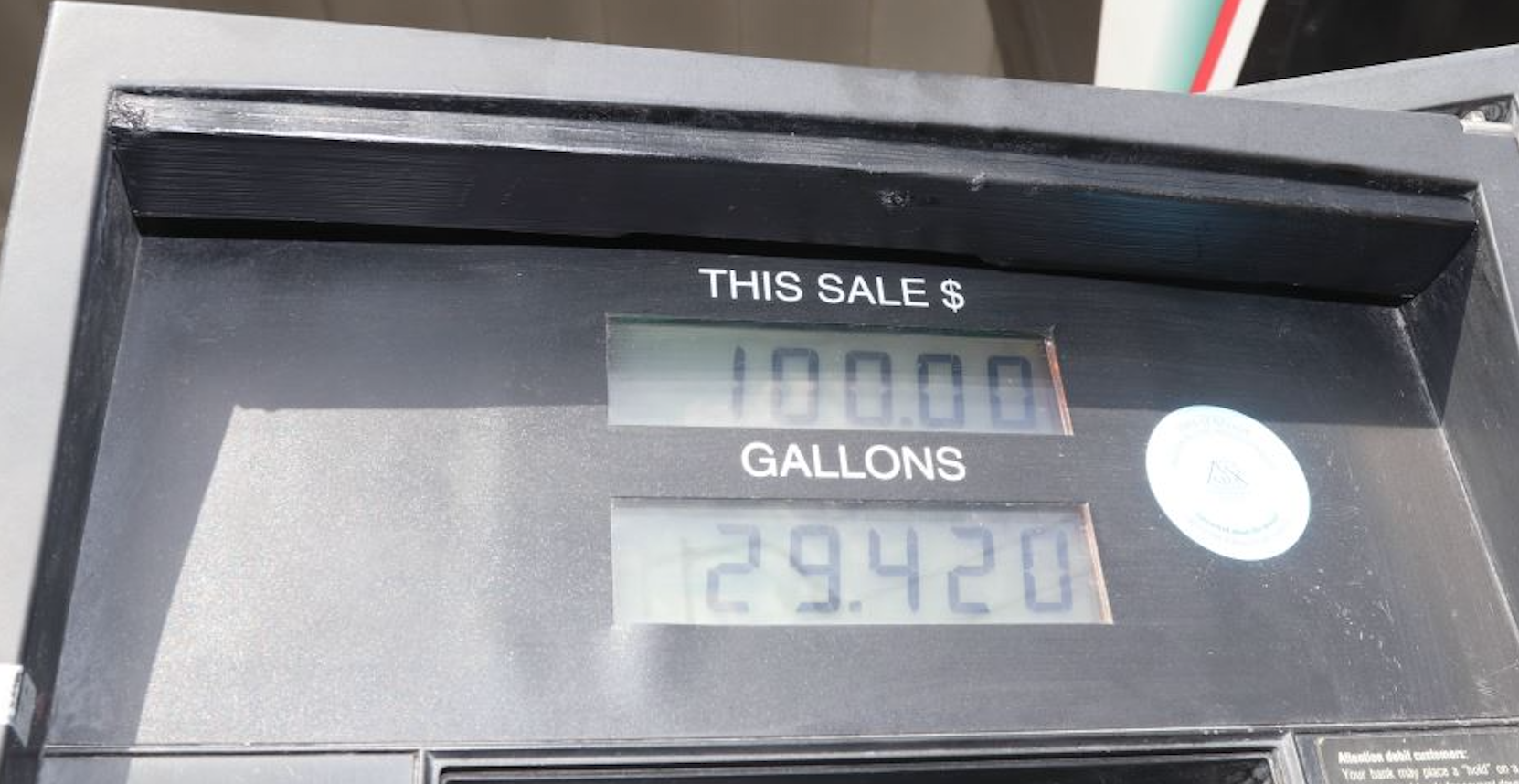
The fake panel (horizontal) above the “This Sale” display obscures a tiny hidden camera angled toward the gas pump’s PIN pad.
It may be difficult to tell from the angle of the photograph above, but the horizontal bar across the top of the machine (just above the “This Sale $” indicator) contains a hidden pinhole camera angled so as to record debit card users entering their PIN.
Here’s a look at the fake panel removed from the compromised pump:
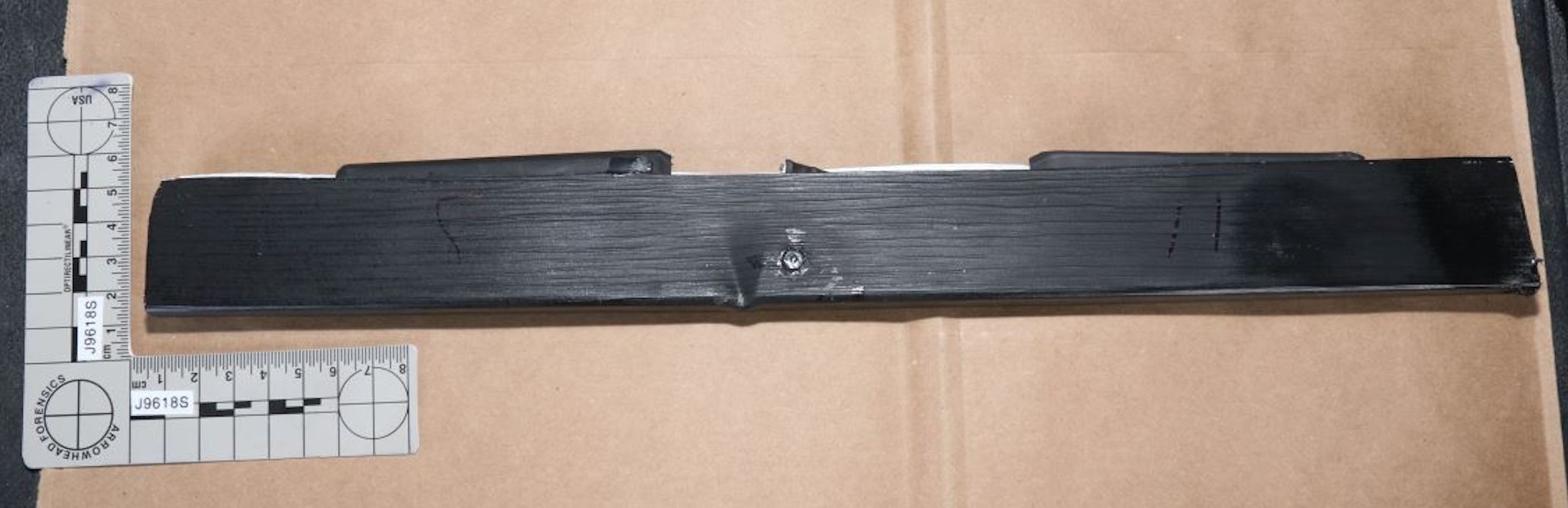
A front view of the hidden camera panel.
Jogodka said although this pump’s PIN pad is encrypted, the hidden camera sidesteps that security feature.
“The PIN pad is encrypted, so this is a NEW way to capture the PIN,” Jogodka wrote in a message to a mailing list about skimming devices found on Arizona fuel pumps. “The camera was set on Motion, [to] save memory space and battery life. Sad for the suspect, it was recovered 2 hours after it was installed.”
Whoever hacked this fuel pump was able to get inside the machine and install a Bluetooth-based circuit board that connects to the power and can transmit stolen card data wirelessly. This allows the thieves to drive by at any time and download the card data remotely from a mobile device or laptop.
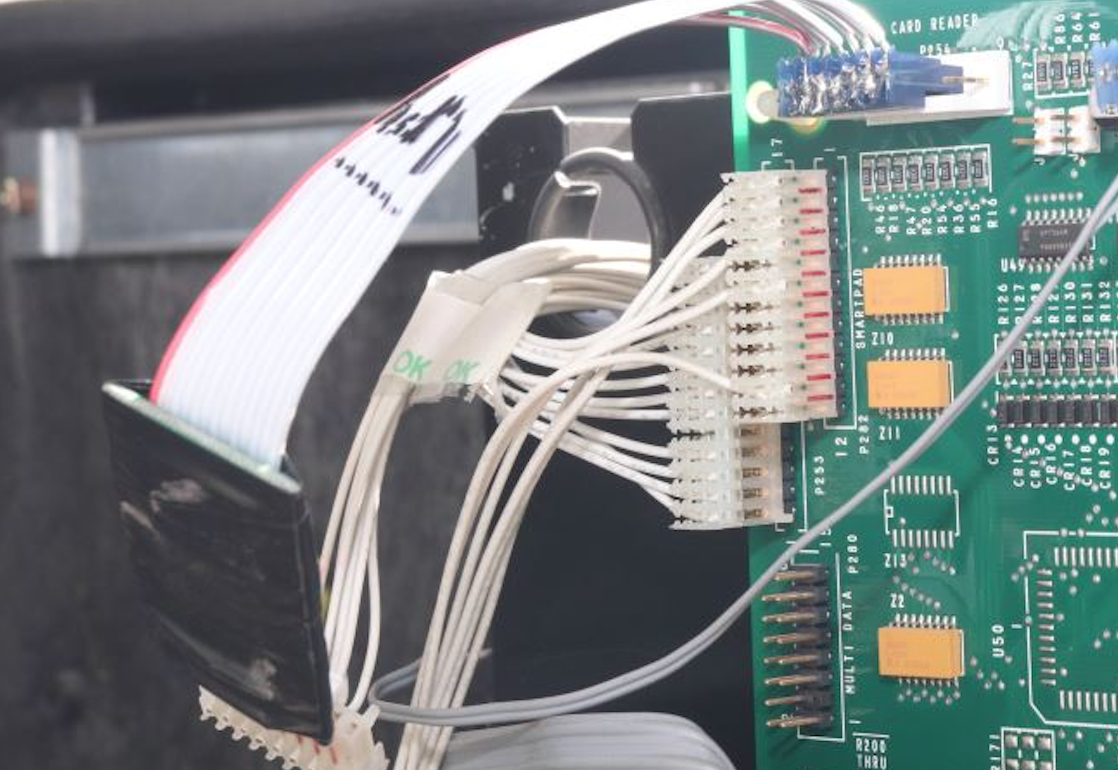
The unauthorized Bluetooth circuit board can be seen at bottom left attached to the pump’s power and card reader.
This kind of fuel pump skimmer, while rare, serves as a reminder that it’s a good idea to choose credit over debit when buying fuel. For starters, there are different legal protections for fraudulent transactions on debit vs. credit cards.
With a credit card, your maximum loss on any transactions you report as fraud is $50; with a debit card, that protection only extends for within two days of the unauthorized transaction. After that, the maximum consumer liability can increase to $500 within 60 days, and to an unlimited amount after 60 days.
In practice, your bank or debit card issuer may still waive additional liabilities, and many do. But even then, having your checking account emptied of cash while your bank sorts out the situation can still be a huge hassle and create secondary problems (bounced checks, for instance).
Interestingly, this advice against using debit cards at the pump often runs counter to the messaging pushed by fuel station owners themselves, many of whom offer lower prices for cash or debit card transactions. That’s because credit card transactions typically are more expensive to process.
Anyone curious how to tell the difference between filling stations that prioritize card security versus those that haven’t should check out How to Avoid Card Skimmers at the Pump.
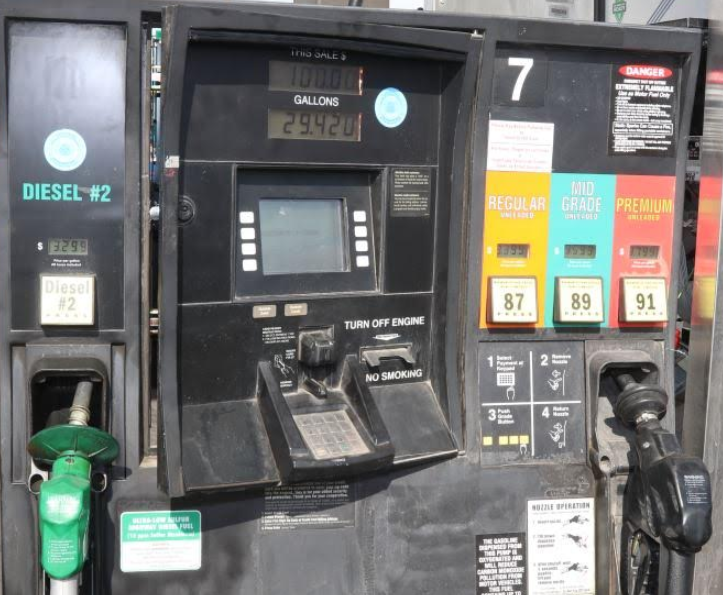
The compromised pump with the hidden camera bar still attached. Newer, more secure pumps have a horizontal card reader and a raised metallic keypad.
from Krebs on Security https://ift.tt/2KUdE63
via IFTTT
Researchers notice year-end phishing attacks starting in July and ramping up in September.
from Dark Reading: https://ift.tt/2ONpSOW
via IFTTT
Warn your employees to avoid the inevitable scams associated with these two “holidays,” or you risk compromising your company’s network.
from Dark Reading: https://ift.tt/2DfRib0
via IFTTT
A lawyer who boasted of making “50 by 50” – as in, $50m by the age of 50 – is now facing a potential 50+ years behind bars.
from Naked Security https://ift.tt/2DeSLhN
via IFTTT
Ad-blockers have figured out a way to block the unblockable – a pernicious tracker technique that hides advertising networks in plain sight.
from Naked Security https://ift.tt/2OjuayP
via IFTTT
The Russian Government’s campaign to control how its citizens use the internet seems to be gathering steam.
from Naked Security https://ift.tt/35zVYEy
via IFTTT
The NeverQuest Trojan has been used by cybermuggers to try to weasel millions of dollars out of victims’ bank accounts.
from Naked Security https://ift.tt/37xIdZ0
via IFTTT
From a WhatsApp-attacking video file to the latest adopter of DNS-over-HTTPS, and everything in between. It’s the weekly security roundup.
from Naked Security https://ift.tt/2rkdWwj
via IFTTT
How the field of play has changed and why endpoint protection often comes down to doing the basics, even in the face of increasingly complex threats
The post CyberwarCon – the future of nation‑state nastiness appeared first on WeLiveSecurity
from WeLiveSecurity https://ift.tt/2Of8IL4
via IFTTT

