Digital forensic evidence points to the phone’s massive, months-long data egress having likely been triggered by Pegasus mobile spyware.
from Naked Security https://ift.tt/2RHa8yC
via IFTTT

Digital forensic evidence points to the phone’s massive, months-long data egress having likely been triggered by Pegasus mobile spyware.
from Naked Security https://ift.tt/2RHa8yC
via IFTTT
Sources told Reuters that Apple may have been convinced by arguments made during the legal fight over cracking the San Bernardino iPhone.
from Naked Security https://ift.tt/3aFzA0e
via IFTTT
Stopping software updates for legacy kit is nothing new, but it’s the way the company has done it that has Sonos customers’ hackles up.
from Naked Security https://ift.tt/36l1wmk
via IFTTT
Pachev FTP Server 1.0 – Path Traversal
from Exploit-DB.com RSS Feed https://ift.tt/2viWpql
via IFTTT
What’s the difference between a real job and a fake one found on the internet? The fake ones are suspiciously easy to get interviews for.
from Naked Security https://ift.tt/37mLTfD
via IFTTT
BOOTP Turbo 2.0 – Denial of Service (SEH)(PoC)
from Exploit-DB.com RSS Feed https://ift.tt/36muTom
via IFTTT
qdPM 9.1 – Remote Code Execution
from Exploit-DB.com RSS Feed https://ift.tt/2sPTYdL
via IFTTT
Apple is rolling out a new update to its iOS operating system that addresses the location privacy issue on iPhone 11 devices that was first detailed here last month.
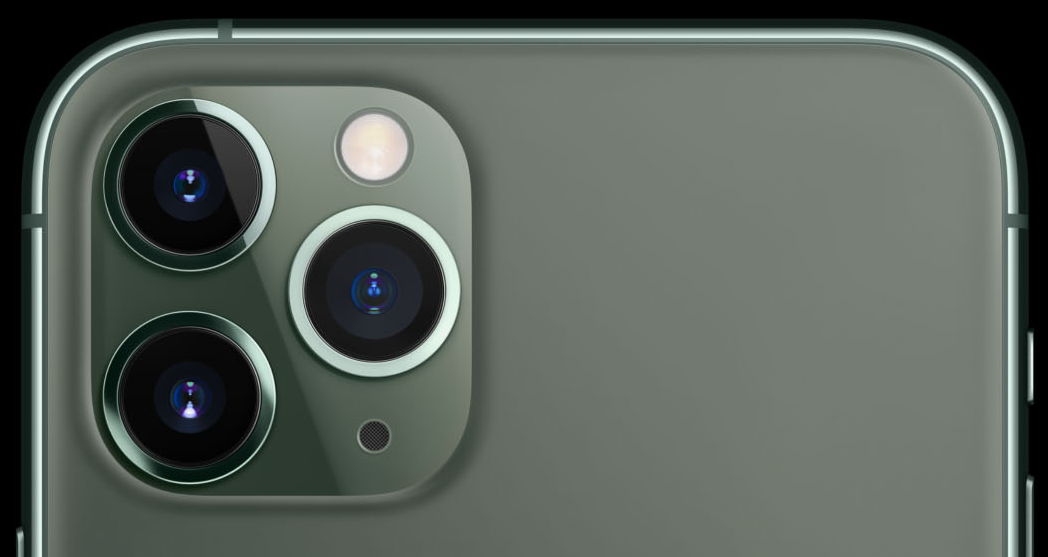
Beta versions of iOS 13.3.1 include a new setting that lets users disable the “Ultra Wideband” feature, a short-range technology that lets iPhone 11 users share files locally with other nearby phones that support this feature.
In December, KrebsOnSecurity pointed out the new iPhone 11 line queries the user’s location even when all applications and system services are individually set never to request this data.
Apple initially said the company did not see any privacy concerns and that the location tracking icon (a small, upward-facing arrow to the left of the battery icon) appears for system services that do not have a switch in the iPhone’s settings menu.
Apple later acknowledged the mysterious location requests were related to the inclusion of an Ultra Wideband chip in iPhone 11, Pro and Pro Max devices.
The company further explained that the location information indicator appears because the device periodically checks to see whether it is being used in a handful of countries for which Apple hasn’t yet received approval to deploy Ultra Wideband.
Apple also stressed it doesn’t use the UWB feature to collect user location data, and that this location checking resided “entirely on the device.” Still, it’s nice that iPhone 11 users will now have a disable the feature if they want.
Spotted by journalist Brandon Butch and published on Twitter last week, the new toggle switch to turn off UWB now exists in the “Networking & Wireless” settings in beta versions of iOS 13.3.1, under Locations Services > System Services. Beta versions are released early to developers to help iron out kinks in the software, and it’s not clear yet when 13.3.1 will be released to the general public.
from Krebs on Security https://ift.tt/2usO02M
via IFTTT
For all the cautions against doing so, one-third of organizations in a Proofpoint survey said they paid their attackers after getting infected with ransomware.
from Dark Reading: https://ift.tt/2REuRmJ
via IFTTT
New research finds security operations centers suffer high turnover and yield mediocre results for the investment they require.
from Dark Reading: https://ift.tt/30IhdDc
via IFTTT

