
Finastra, a company that provides a range of technology solutions to banks worldwide, said it was shutting down key systems in response to a security breach discovered Friday morning. The company’s public statement and notice to customers does not mention the cause of the outage, but their response so far is straight out of the playbook for dealing with ransomware attacks.
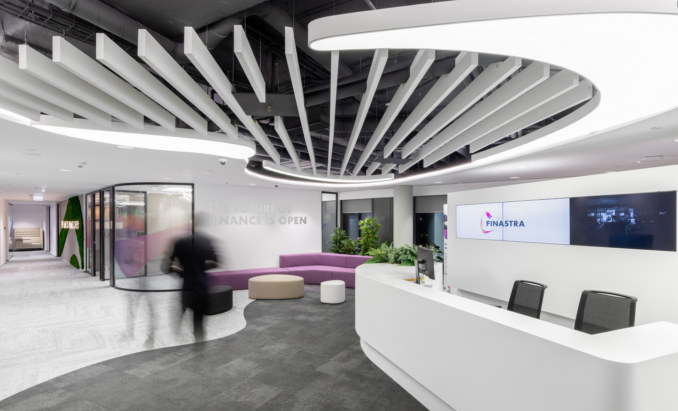 London-based Finastra has offices in 42 countries and reported more than $2 billion in revenues last year. The company employs more than 10,000 people and has over 9,000 customers across 130 countries — including nearly all of the top 50 banks globally.
Earlier today, sources at two different U.S. financial institutions forwarded a notice they received from Finastra saying the outage was expected to disrupt certain services, particularly for clients in North America.
“We wish to inform our valued customers that we are investigating a potential security breach. At 3:00 a.m. EST on March 20, 2020, we were alerted to anomalous activity on our network which risked the integrity of our data-centers,” reads the notice. “As such, and to protect our customers, we have taken quick and strict remedial action to contain and isolate the incident, while we investigate further.”
The statement continues:
“Our approach has been to temporarily disconnect from the internet the affected servers, both in the USA and elsewhere, while we work closely with our cybersecurity experts to inspect and ensure the integrity of each server in turn. Using this ‘isolation, investigation and containment’ approach will allow us to bring the servers back online as quickly as possible, with minimum disruption to service, however we are anticipating some disruption to certain services, particularly in North America, whilst we undertake this task. Our priority is ensuring the integrity of the servers before we bring them back online and protecting our customers and their data at this time.”
Finastra did not respond to requests for comment. But the company appears to have acknowledged an incident via a notice on its Web site that offers somewhat less information and refers to the incident merely as the detection of anomalous activity.
“The Finastra risk and security services team has detected anomalous activity on our systems,” wrote Tom Kilroy, Finastra’s chief operating officer. “In order to safeguard our customers and employees, we have made the decision to take a number of our servers offline while we investigate. This, of course, has an impact on some of our customers and we are in touch directly with those who may be affected.”
Once considered by many to be isolated extortion attacks, ransomware infestations have become de facto data breaches for victim companies. That’s because some of the more active ransomware gangs have taken to downloading reams of data from targets before launching the ransomware inside their systems. Some or all of this data is then published on victim-shaming sites set up by the ransomware gangs as a way to strongarm victim companies into paying up.
One reader on Twitter told KrebsOnSecurity they’d heard Finastra had sent thousands of employees home today as a result of the security breach, but that claim could not be confirmed. Considering the rapidity with which the global Coronavirus pandemic appears to be spreading, thousands of employees being sent home might not be the worst outcome here.
Interestingly, several ransomware gangs have apparently stated that they are observing a kind of moratorium on attacking hospitals and other healthcare centers while the Coronavirus epidemic rages on. Bleeping Computer’s Lawrence Abrams said he recently reached out to the operators of the Maze, DoppelPaymer, Ryuk, Sodinokibi/REvil, PwndLocker, and Ako Ransomware infections to ask if they would continue targeting health and medical organizations during the outbreak.
Abrams said several of those gangs told him they would indeed stop attacking healthcare providers for the time being. One gang even used its victim-shaming Web site to post a “press release” on Mar. 18 stated that “due to situation with incoming global economy crisis and virus pandemic” it would be offering discounts to victims of their ransomware.
“We also stop all activity versus all kinds of medical organizations until the stabilization of the situation with virus,” reads the release from the Maze ransomware gang.
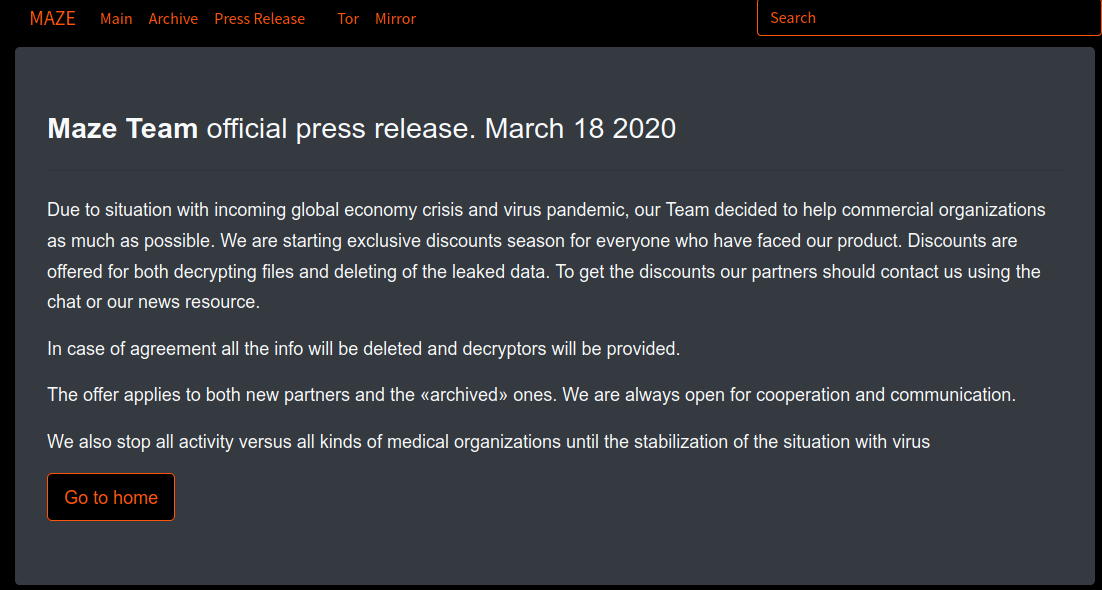
A press release published by the Maze ransomware group.
This story will be updated as more details become available.
from Krebs on Security https://ift.tt/2QO1Aqb
via IFTTT


 Pacosite's Blog