Canonical dará soporte a Blender para llegar al mercado corporativo

Canonical dará soporte a Blender
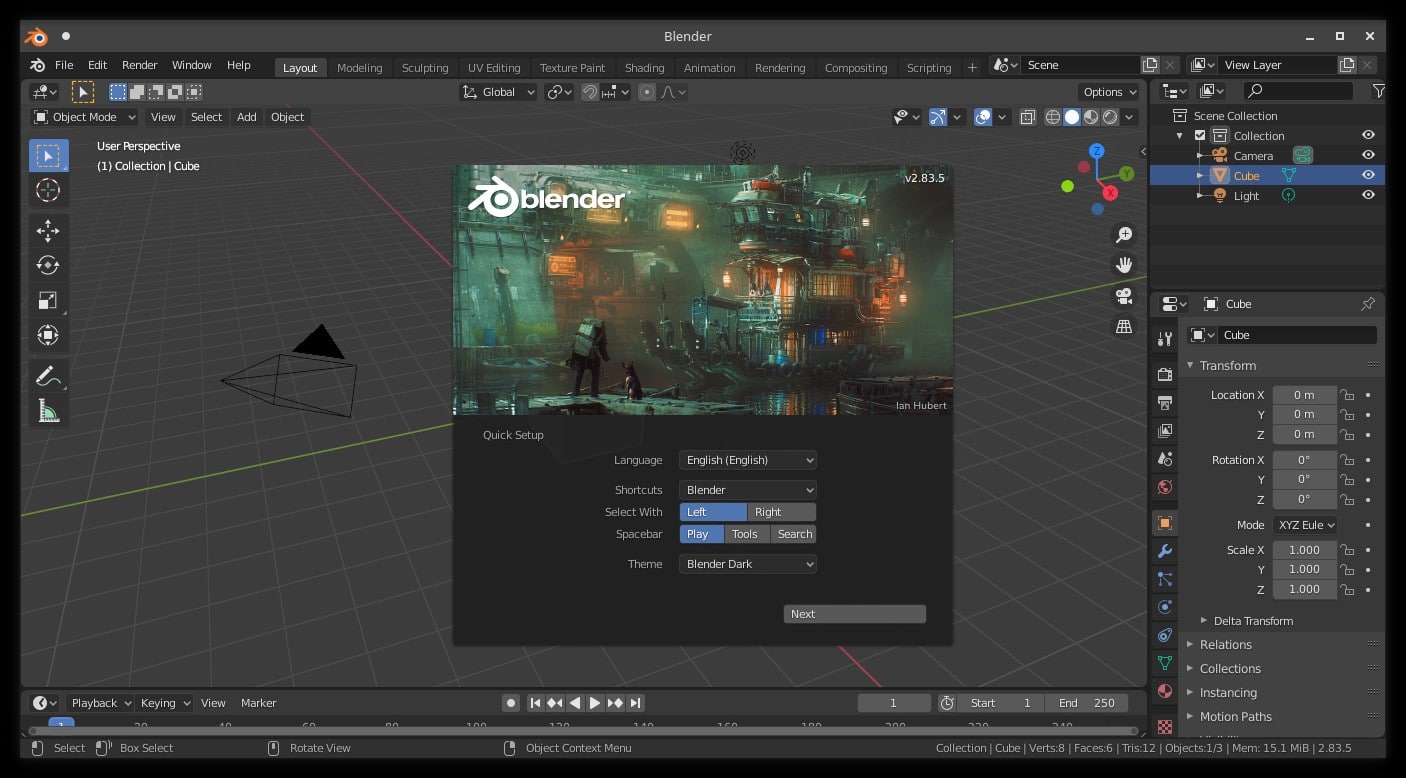
Blender es uno de los proyectos gratuitos y de código abierto capaz de competirle y ganarle a las alternativas comerciales. Se trata de una suite de creación 3D para artistas y expertos en producción de medios. Canonical,es la compañía que de la mano de la distribución Linux Ubuntu logró hacerse un hueco en el mercado corporativo brindando soporte empresarial profesional y mantenimiento de seguridad a largo plazo para soluciones basadas en software de código abierto.

Los desarrolladores de Blender unieron esfuerzos con Canonical para ofrecer a profesionales del diseño y estudios soluciones basadas en la versión LTS de la suite.


Mark Shuttlewort, el máximo ejecutivo de Canonical, declaró:

Es un privilegio apoyar a Blender y el fantástico trabajo de esta notable comunidad, sus fundadores y líderes. El anuncio de hoy fortalece a Blender con un soporte de Canonical que incluye servicio completo y mantenimiento de seguridad a largo plazo, y ofrece el nivel de seguridad que los creadores de contenido profesionales con Blender necesitan.

Desde la Blender Foundation, quién habló fue su presidente, Ton Roosendaal:

La forma en que Canonical estructuró este servicio junto a nosotros es ejemplar para el movimiento de código abierto. Creo que establecerá un nuevo estándar sobre cómo los grupos independientes y libres de fabricantes que realmente se preocupan por sus productos y usuarios participan en el mercado y dan forma al futuro de la industria.

Canonical dará soporte a Blender. Precios y características

La oferta de soporte incluirá a las versiones de Blender LTS en distribuciones de Linux, Microsoft Windows y macOS. Los ingenieros de Canonical trabajarán directamente con los clientes para proporcionar un soporte técnico integral a los usuarios al determinar, diagnosticar y resolver problemas lo más rápido posible. Canonical gestionará todo el proceso de soporte, incluida la integración con la infraestructura de soporte de Blender.
Las diferentes modalidades de soporte son:

Soporte estándar (500 dólares anuales)

  • Soporte por tiquet o teléfono en días hábiles
  • Primera respuesta ante un problema grave en un plazo no mayor a 4 horas hábiles.
  • Segunda respuesta en un plazo no mayor a 8 horas hábiles.
  • Tercera respuésta  en un plazo no mayor a 12 horas hábiles.
  • Cuarta respuesta en un plazo no mayor a un día hábil.

Soporte avanzado (1000 dólares anuales)

  • Soporte por teléfono o tiquet las 24 horas de los 7 días.
  • Primera respuesta ante un problema grave en  un plazo no mayor a 1 hora.
  • Segunda respuesta en un plazo no mayor a  2 horas.
  • Tercera respuesta en un plazo no mayor a 6 horas.
  • Cuarta respuesta en un plazo no mayor a 12 horas.

Canonical construirá y mantenedrá su propia estructura de servicios para Blender, basada en la ya exitente plataforma Ubuntu Advanced. Los ingresos de los servicios se compartirán parcialmente con la fundación que lo invertirá en el desarrollo básico de Blender y en el soporte público para las versiones de soporte extendido. El proyecto no tendrá ninguna oblicación contractual con los clientes que acuerden con Canonical.

La Fundación Blender confía en que la asociación con Canonical la ayudará a cumplir con  su misión explicitada en el año 2020.

Poner la mejor tecnología 3D del mundo en manos de los artistas como software libre / de código abierto, y hacer cosas increíbles con ella.

Confiemos en que de esta forma Blender pueda resolver uno de los problemas más graves que afecta a distintos proyectos de software libre independientes.

Aunque Blender tiene prestaciones iguales o mejores a las alternativas privativas, la falta de una oferta de soporte de comercial le impidió aumentar aún más la base de usuarios corporativos. La disponibilidad de un soporte es uno de los aspectos que las empresas tienen en cuenta a la hora de elegir un producto.

También es una excelente alternativa de negocios para Canonical. Aunque logró tener éxito en los servicios corporativos, particualrmente en los servicios en la nube, se trata de un mercado donde Red Hat tiene un claro liderazgo. Por otro lado, el de brindar soporte comercial a proyectos de software libre es un servicio totalmente nuevo.

from Linux Adictos https://ift.tt/35LS0uP
via IFTTT

Microsoft 365 y Edge. Una alternativa a tener en cuenta en Linux

Microsoft 365 y Edge

Los usuarios de Linux no somos un colectivo homogéneo. Cada uno tiene diferentes necesidades y deseos. Hay quienes abrazaron al software libre como parte de una ideología política, algunos que lo utilizan por razones económicas (aunque si pudieran serían usuarios de Mac), otros porque se lo imponen y, finalmente los que lo usamos porque nos parece mejor.

Esta diferencia hace que algunos lectores se ofendan cuando recomendamos productos de Microsoft(Por algún motivo, Google parece no molestarles tanto aunque sus prácticas monopólicas dejan los peores momentos de Microsoft reducidos a travesuras sin importancia). Según ellos, deberíamos ser el periódico parroquial de la religión del Software Libre y solo hablar de los “herejes” para fustigarlos.

Mi opinión es que debemos celebrar que existan alternativas, y dejar que cada uno decida que es lo que quiere utilizar.

Soy un gran admirador del trabajo de The Document Foundation y sus esfuerzos por devolver a los usuarios el control de sus documentos. Como bloguero escribo sobre LibreOffice desde que se escindieron de OpenOffice y, uso esta suite ofimática a partir del momento en que una actualización de una versión preliminar de Ubuntu borró OpenOffice y la instaló.

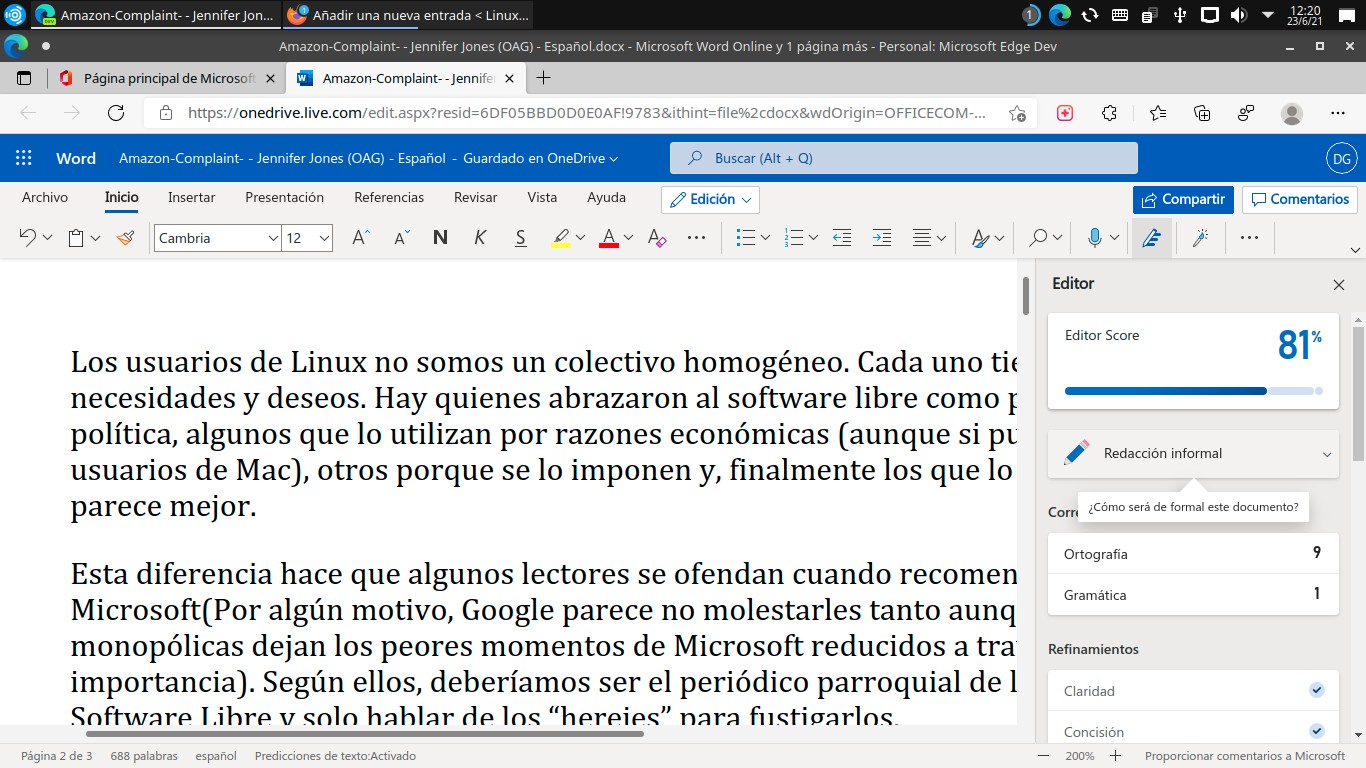
Pero, a la hora de escribir, me gusta más usar la versión online de Office desde Microsoft Edge.

Por supuesto que conozco las implicaciones de privacidad. Jamás lo usaría para escribir algo que no quiera compartir con la NSA o el FBI. Sin embargo, a la hora de crear o ver los documentos con los que solemos trabajar los usuarios comunes, me parece la mejor opción.

¿Por qué hablo de la combinación Microsoft 365 y Edge?

La versión online de Office funciona con cualquier navegador pero, bastante mejor en Chrome que en Firefox. Sin embargo, en aquellos navegadores basados en Chrome que no sean Edge, tienes que instalar complementos adicionales para hacer cosas como copiar y pegar desde el ratón

Aunque Edge para Linux está en fase de pruebas, tanto la versión Dev como la beta (un poco más estable) funciona sin inconvenientes. Solo tienes que descargar el paquete en formato DEB o RPM e instalarlo con el gestor de paquetes de tu distribución. El proceso de instalación agregará un repositorio que mantendrá actualizado el navegador.

¿Qué es Microsoft 365?

Microsoft 365 es la respuesta de la empresa a la cantidad de usuarios que se pasaron a Google Docs y Workspaces. Básicamente son versiones de sus aplicaciones más comunes para usar en la nube. En muchos casos de forma gratuita.

Las aplicaciones incluidas son:

  • Word
  • Excel
  • Powerpoint
  • OneNote (Notas jerárquicas multimedia)
  • Sway (Creación de contenidos y otros documentos de fuerte impacto visual)
  • Outlook (Contactos)
  • Calendarios
  • Form
  • OneDrive (Almacenamiento en la nube)
  • Forms
  • Skype

¿Por qué me parece una buena alternativa?

En primer lugar me gusta el hecho de que sea multidispositivo. La aplicación móvil tiene funcionalidad de reconocimiento óptico de caracteres. Para alguien tan corto de vista como yo, la posibilidad de sacar una foto de un menú o cartel y, poder ampliar la tipografía para leerlo es indispensable. El OCR funciona tanto con Word como con Excel, esto lo hace ideal para actualizar listas de precios desde el formato papel.

También es fantástico poder trabajar durante un viaje en el esbozo de un documento y terminarlo en tu computadora cuando llegas.

Con respecto a la versión web, aunque soy bastante buen mecanógrafo, mis pensamientos suelen ir más rápido que mis dedos por lo que muchas veces se producen errores.

En ese sentido, el editor permite detectar fácilmente errores de tipeo, gramaticales y, si te importan esas cosas, lenguaje discriminador o referencias geopolíticas sensibles. Además te permite controlar si eres claro, conciso o estás plagiando contenido de Internet.

El confinamiento por la pandemia puso de moda el trabajo colaborativo a distancia. Y con Microsoft 365 es posible editar en tiempo real cualquier documento junto a otra persona

Aunque OneDrive, el servicio de almacenamiento en la nube, no tiene un cliente nativo para Linux (Por más que Cuentas en línea de GNOME prometa que si se puede usar) utilizando Rsync es posible integrarlo al gestor de archivos de nuestra distribución como si fuera un disco conectado más.

from Linux Adictos https://ift.tt/2SrVjV6
via IFTTT

Cómo lanzar apps y pagos rápidos con el lector de huellas de OnePlus

Cómo lanzar apps y pagos rápidos con el lector de huellas de OnePlus

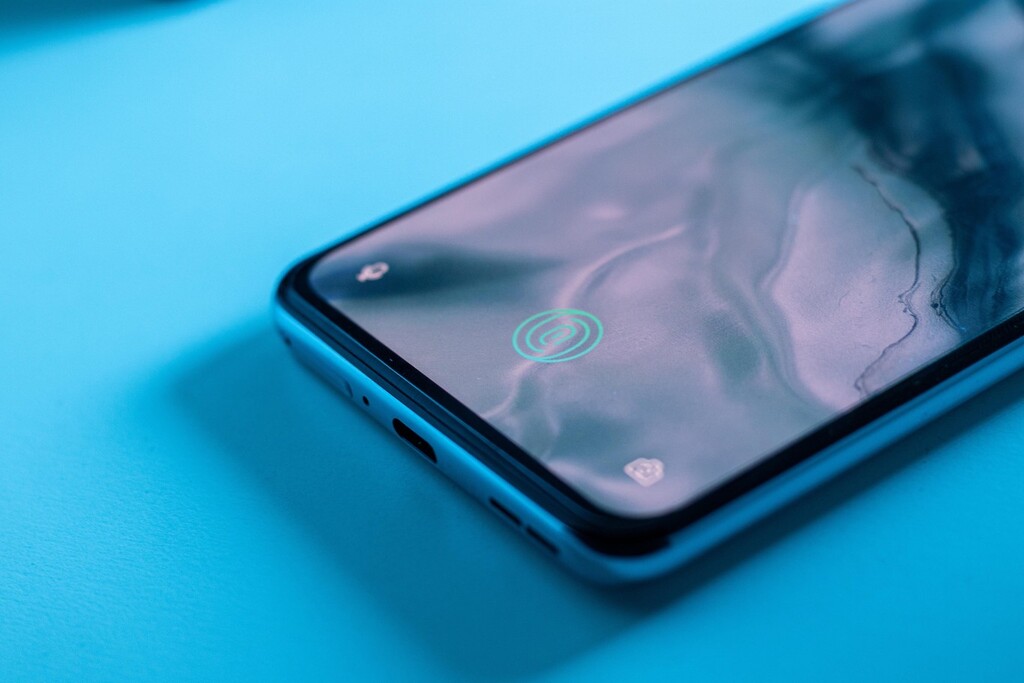
Vamos a enseñarte cómo puedes lanzar aplicaciones y gestionar pagos rápidos con el lector de huellas bajo pantalla de tu móvil OnePlus. Se trata de una opción bastante desconocida que permite OxygenOS en su versión 11, y cuyo funcionamiento es sobresaliente. OxygenOS 11 viene cargado de funciones, y esta es una de las mejores.

Lo único que necesitas es tener tu OnePlus actualizado a la última versión disponible y que tu modelo cuente con un lector de huellas bajo pantalla, como en modelos recientes como el OnePlus Nord CE 5G, ya que vamos a realizar el proceso mediante una pulsación larga en el mismo.


Continue reading

Brave se enfrenta a Google con su propio buscador 100 % privado: ya disponible en beta

Brave se enfrenta a Google con su propio buscador 100 % privado: ya disponible en beta

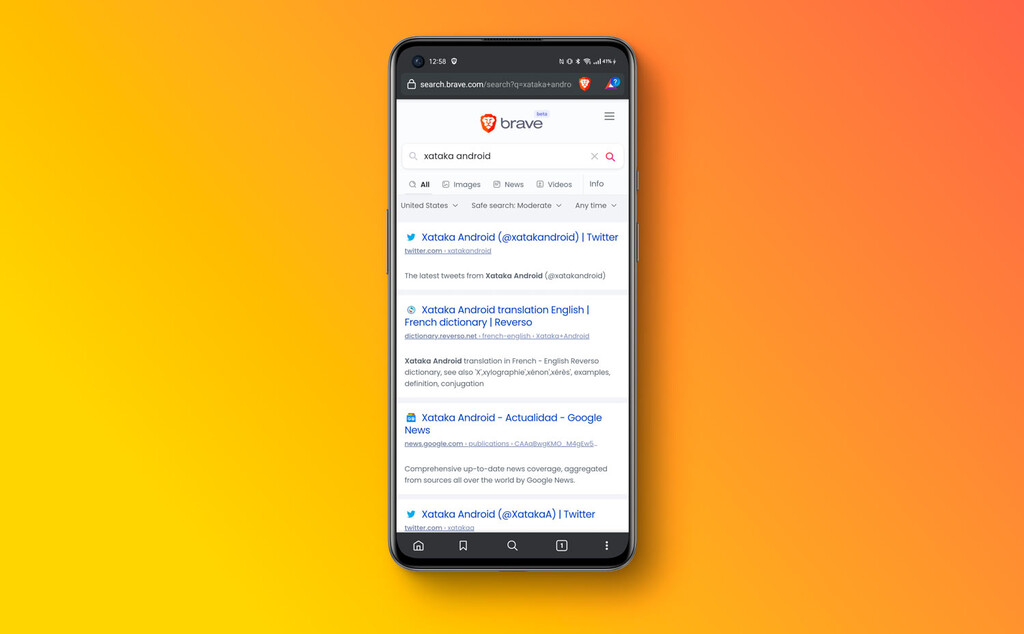
El navegador Brave amplía sus horizontes con su nuevo buscador web. Como Google, aunque enfocado por completo a la privacidad: Brave asegura que no rastrea a los usuarios, no crea perfiles para asociarlos a la publicidad y es independiente de otras empresas, siempre según Brave. Y ya puede probarse en su app Android beta.

Por más que haya diversificado su negocio, incluso accediendo al desarrollo y fabricación de hardware, Google es, en esencia, una empresa de publicidad donde destaca como ente propio su buscador web. A través de dicho buscador Google ofrece no sólo resultados, también publicidad y una puerta abierta a los datos que desprende cada búsqueda. Es el buscador mayoritario por más que existan otras opciones, como Bing o DuckDuckGo. Y ahora entra un nuevo contendiente a la arena de los buscadores: Brave. ¿Quieres usarlo?


Continue reading

How Cyber Sleuths Cracked an ATM Shimmer Gang

In 2015, police departments worldwide started finding ATMs compromised with advanced new “shimming” devices made to steal data from chip card transactions. Authorities in the United States and abroad had seized many of these shimmers, but for years couldn’t decrypt the data on the devices. This is a story of ingenuity and happenstance, and how one former Secret Service agent helped crack a code that revealed the contours of a global organized crime ring.

Jeffrey Dant was a special agent at the U.S. Secret Service for 12 years until 2015. After that, Dant served as the global lead for the fraud fusion center at Citi, one of the largest financial institutions in the United States.

Not long after joining Citi, Dant heard from industry colleagues at a bank in Mexico who reported finding one of these shimming devices inside the card acceptance slot of a local ATM. As it happens, KrebsOnSecurity wrote about that particular shimmer back in August 2015.
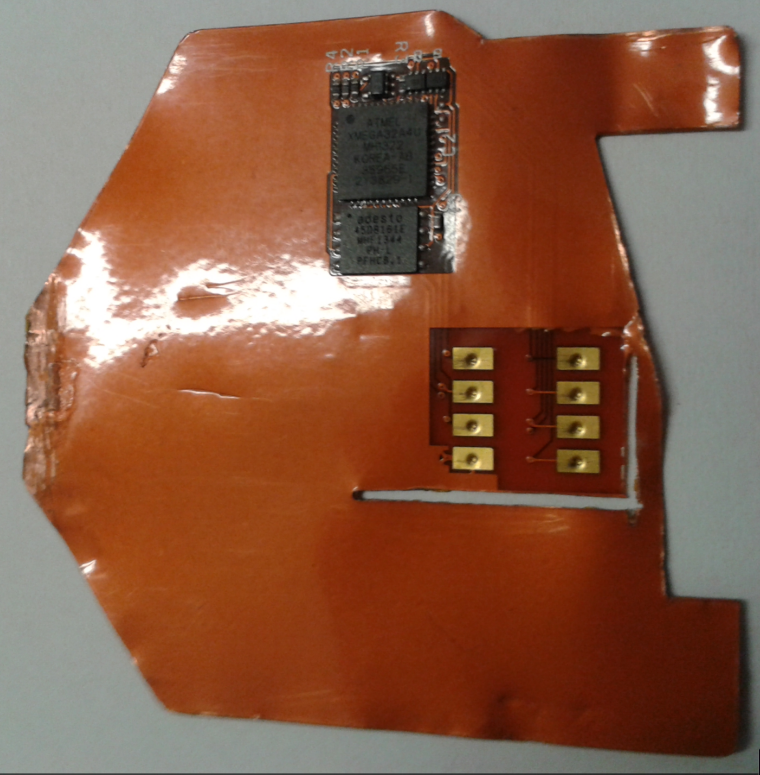
This card ‘shimming’ device is made to read chip-enabled cards and can be inserted directly into the ATM’s card acceptance slot.

The shimmers were an innovation that caused concern on multiple levels. For starters, chip-based payment cards were supposed to make it far more expensive and difficult for thieves to copy and clone. But these skimmers took advantage of weaknesses in the way many banks at the time implemented the new chip card standard.

Also, unlike traditional ATM skimmers that run on hidden cell phone batteries, the ATM shimmers found in Mexico did not require any external power source, and thus could remain in operation collecting card data until the device was removed.

When a chip card is inserted, a chip-capable ATM reads the data stored on the smart card by sending an electric current through the chip. Incredibly, these shimmers were able to siphon a small amount of that power (a few milliamps) to record any data transmitted by the card. When the ATM is no longer in use, the skimming device remains dormant, storing the stolen data in an encrypted format.

Dant and other investigators looking into the shimmers didn’t know at the time how the thieves who planted the devices went about gathering the stolen data. Traditional ATM skimmers are either retrieved manually, or they are programmed to transmit the stolen data wirelessly, such as via text message or Bluetooth.

But recall that these shimmers don’t have anywhere near the power needed to transmit data wirelessly, and the flexible shimmers themselves tend to rip apart when retrieved from the mouth of a compromised ATM. So how were the crooks collecting the loot?

“We didn’t know how they were getting the PINs at the time, either,” Dant recalled. “We found out later they were combining the skimmers with old school cameras hidden in fake overhead and side panels on the ATMs.”

Investigators wanted to look at the data stored on the shimmer, but it was encrypted. So they sent it to MasterCard’s forensics lab in the United Kingdom, and to the Secret Service.

“The Secret Service didn’t have any luck with it,” Dant said. “MasterCard in the U.K. was able to understand a little bit at a high level what it was doing, and they confirmed that it was powered by the chip. But the data dump from the shimmer was just encrypted gibberish.”

Organized crime gangs that specialize in deploying skimmers very often will encrypt stolen card data as a way to remove the possibility that any gang members might try to personally siphon and sell the card data in underground markets.

THE DOWNLOAD CARDS

Then in 2017, Dant got a lucky break: Investigators had found a shimming device inside an ATM in New York City, and that device appeared identical to the shimmers found in Mexico two years earlier.

“That was the first one that had showed up in the U.S. at that point,” Dant said.

The Citi team suspected that if they could work backwards from the card data that was known to have been recorded by the skimmers, they might be able to crack the encryption.

“We knew when the shimmer went into the ATM, thanks to closed-circuit television footage,” Dant said. “And we know when that shimmer was discovered. So between that time period of a couple of days, these are the cards that interacted with the skimmer, and so these card numbers are most likely on this device.”

Based off that hunch, MasterCard’s eggheads had success decoding the encrypted gibberish. But they already knew which payment cards had been compromised, so what did investigators stand to gain from breaking the encryption?

According to Dant, this is where things got interesting: They found that the same primary account number (unique 16 digits of the card) was present on the download card and on the shimmers from both New York City and Mexican ATMs.

Further research revealed that account number was tied to a payment card issued years prior by an Austrian bank to a customer who reported never receiving the card in the mail.

“So why is this Austrian bank card number on the download card and two different shimming devices in two different countries, years apart?” Dant said he wondered at the time.

He didn’t have to wait long for an answer. Soon enough, the NYPD brought a case against a group of Romanian men suspected of planting the same shimming devices in both the U.S. and Mexico. Search warrants served against the Romanian defendants turned up multiple copies of the shimmer they’d seized from the compromised ATMs.

“They found an entire ATM skimming lab that had different versions of that shimmer in untrimmed squares of sheet metal,” Dant said. “But but what stood out the most was this unique device — the download card.”
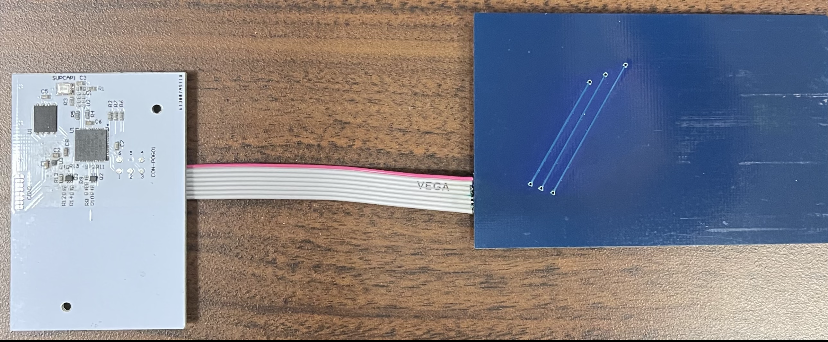
The download card (right, in blue) opens an encrypted session with the shimmer, and then transmits the stolen card data to the attached white plastic device. Image: KrebsOnSecurity.com.

The download card consisted of two pieces of plastic about the width of a debit card but a bit long longer. The blue plastic part — made to be inserted into a card reader — features the same contacts as a chip card. The blue plastic was attached via a ribbon cable to a white plastic card with a green LED and other electronic components.

Sticking the blue download card into a chip reader revealed the same Austrian card number seen on the shimming devices. It then became very clear what was happening.

“The download card was hard coded with chip card data on it, so that it could open up an encrypted session with the shimmer,” which also had the same card data, Dant said.
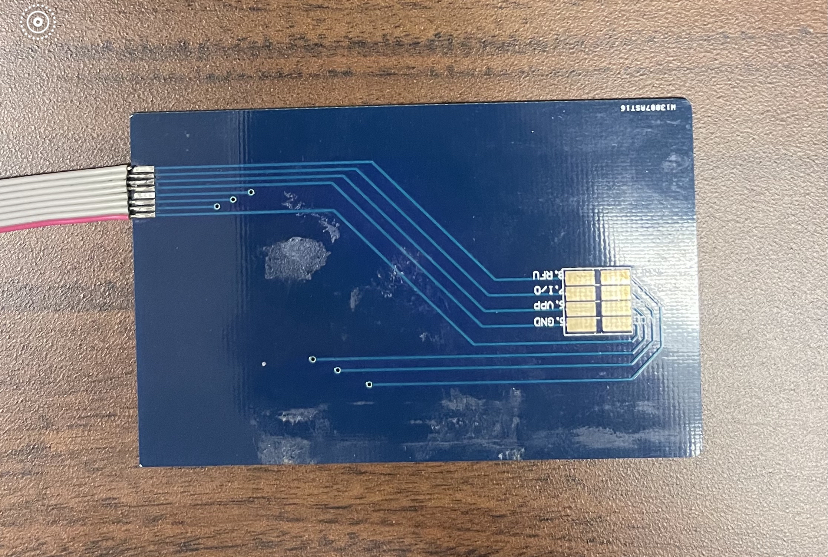
The download card, up close. Image: KrebsOnSecurity.com.

Once inserted into the mouth of ATM card acceptance slot that’s already been retrofitted with one of these shimmers, the download card causes an encrypted data exchange between it and the shimmer. Once that two-way handshake is confirmed, the white device lights up a green LED when the data transfer is complete.

THE MASTER KEY

Dant said when the Romanian crew mass-produced their shimming devices, they did so using the same stolen Austrian bank card number. What this meant was that now the Secret Service and Citi had a master key to discover the same shimming devices installed in other ATMs.

That’s because every time the gang compromised a new ATM, that Austrian account number would traverse the global payment card networks — telling them exactly which ATM had just been hacked.

“We gave that number to the card networks, and they were able to see all the places that card had been used on their networks before,” Dant said. “We also set things up so we got alerts anytime that card number popped up, and we started getting tons of alerts and finding these shimmers all over the world.”

For all their sleuthing, Dant and his colleagues never really saw shimming take off in the United States, at least nowhere near as prevalently as in Mexico, he said.

The problem was that many banks in Mexico and other parts of Latin America had not properly implemented the chip card standard, which meant thieves could use shimmed chip card data to make the equivalent of old magnetic stripe-based card transactions.

By the time the Romanian gang’s shimmers started showing up in New York City, the vast majority of U.S. banks had already properly implemented chip card processing in such a way that the same phony chip card transactions which sailed through Mexican banks would simply fail every time they were tried against U.S. institutions.

“It never took off in the U.S., but this kind of activity went on like wildfire for years in Mexico,” Dant said.

The other reason shimming never emerged as a major threat for U.S. financial institutions is that many ATMs have been upgraded over the past decade so that their card acceptance slots are far slimmer, Dant observed.

“That download card is thicker than a lot of debit cards, so a number of institutions were quick to replace the older card slots with newer hardware that reduced the height of a card slot so that you could maybe get a shimmer and a debit card, but definitely not a shimmer and one of these download cards,” he said.

Shortly after ATM shimmers started showing up at banks in Mexico, KrebsOnSecurity spent four days in Mexico tracing the activities of a Romanian organized crime gang that had very recently started its own ATM company there called Intacash.

Sources told KrebsOnSecurity that the Romanian gang also was paying technicians from competing ATM providers to retrofit cash machines with Bluetooth-based skimmers that hooked directly up to the electronics on the inside. Hooked up to the ATM’s internal power, those skimmers could collect card data indefinitely, and the data could be collected wirelessly with a smart phone.

Follow-up reporting last year by the Organized Crime and Corruption Reporting Project (OCCRP) found Intacash and its associates compromised more than 100 ATMs across Mexico using skimmers that were able to remain in place undetected for years. The OCCRP, which dubbed the Roomanian group “The Riviera Maya Gang,” estimates the crime syndicate used cloned card data and stolen PINs to steal more than $1.2 billion from bank accounts of tourists visiting the region.

Last month, Mexican authorities arrested Florian “The Shark” Tudor, Intacash’s boss and the reputed ringleader of the Romanian skimming syndicate. Authorities charged that Tudor’s group also specialized in human trafficking, which allowed them to send gang members to compromise ATMs across the border in the United States.

from Krebs on Security https://ift.tt/3qiHR26
via IFTTT