Urgent action needed as global diabetes cases increase four-fold over past decades
Cristina Mitchell
from PAHO/WHO | Pan American Health Organization https://ift.tt/fSyvcPG
via IFTTT

Urgent action needed as global diabetes cases increase four-fold over past decades
Cristina Mitchell
from PAHO/WHO | Pan American Health Organization https://ift.tt/fSyvcPG
via IFTTT

El pasado 27 de septiembre, The Document Foundation lanzó la segunda actualización de punto de la serie del canal fresh de su suite de ofimática. Lo hizo a destiempo, en un plazo diferente al de las seis semanas de diferencia que hay entre lanzamientos medianos. Hace unos instantes, TDF ha lanzado LibreOffice 24.8.3, y esta vez sí, con un tempo más habitual, con siete semanas de diferencia con respecto a la v24.8.2.
Este lanzamiento incluye un total de 88 cambios, 78 de los cuales se realizaron en la RC1 y 10 más en la RC2. LibreOffice 24.8.3 es una versión mediana y no incluye nuevas funciones. Todos los cambios incluidos son parches para corregir errores y correcciones de algunas regresiones que se han encontrado en el tiempo que ha pasado desde el lanzamiento de 24.8.2. El objetivo ha sido, como siempre en los lanzamientos de punto, mejorar la estabilidad y robustez de la suite de ofimática, así como mejorar la interoperabilidad con formatos antiguos y propietarios.
LibreOffice 24.8.3 es la versión más actualizada del set de programas para la oficina. Es la que está en el canal fresh, es decir, la que cuenta con todas las novedades, pero también es posible que encontremos bugs que tienen que seguir corrigiendo. Para los que prefieran estabilidad, The Document Foundation recomienda LibreOffice 24.2.7, la opción del canal still que con siete versiones correctivas se considera mucho más estable.
La serie 24.8 seguirá sin recomendarse para equipos de producción al menos hasta el lanzamiento de la punto-cinco, aterrizaje que tendrá lugar dentro de aproximadamente tres meses. 28.8.3 ya se puede descargar desde su página web oficial.
LO 24.8.0 llegó en agosto con novedades como mejoras en la interfaz, la vista normal de gráficos ahora permite el desplazamiento a través de deslizamientos y las notas están disponibles como un panel que se puede colapsar. Por otra parte, se realizaron varias mejoras en la gestión de las opciones de formateado y se introdujo un nuevo modo de cifrado por contraseña en documentos ODF.
from Linux Adictos https://ift.tt/jSt56yq
via IFTTT

By Eli Tan
A New York Times reporter tested a handful of chatbots to see if they could help improve his dating life. The results were decidedly mixed.
Published: November 14, 2024 at 04:00AM
from NYT Technology https://ift.tt/2EUQ3Yo
via IFTTT

By David Yaffe-Bellany, William K. Rashbaum and Michael J. de la Merced
The search involving Shayne Coplan, the founder of Polymarket, known for its presidential election odds, was part of a criminal investigation, three people said.
Published: November 13, 2024 at 08:46PM
from NYT Technology https://ift.tt/CXeHbrj
via IFTTT

By David Yaffe-Bellany, Theodore Schleifer and Erin Griffith
As Bitcoin soars to record highs, cryptocurrency executives are maneuvering to influence Donald J. Trump’s transition and secure their policy goals.
Published: November 13, 2024 at 04:02AM
from NYT Technology https://ift.tt/m0kE1oS
via IFTTT

By Erin Griffith
Artificial intelligence has become a subject for people in the art and theater worlds who are worried about being replaced by it.
Published: November 13, 2024 at 04:00AM
from NYT Technology https://ift.tt/GoLmY5T
via IFTTT

By Sapna Maheshwari
When asked about whether President-elect Donald Trump would prevent a TikTok ban in the United States, a spokeswoman told The New York Times: “He will deliver.”
Published: November 12, 2024 at 04:12PM
from NYT Technology https://ift.tt/lOLZ6XG
via IFTTT
Microsoft today released updates to plug at least 89 security holes in its Windows operating systems and other software. November’s patch batch includes fixes for two zero-day vulnerabilities that are already being exploited by attackers, as well as two other flaws that were publicly disclosed prior to today.
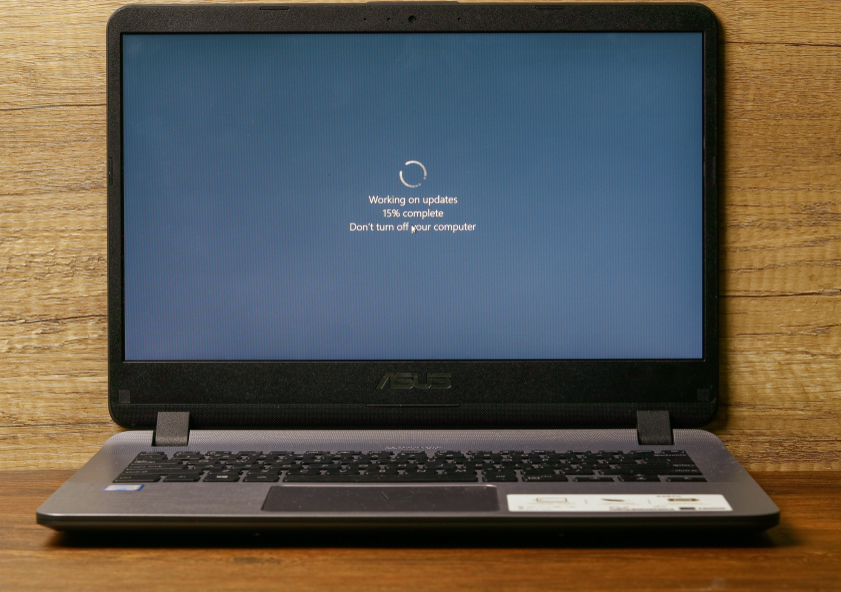
The zero-day flaw tracked as CVE-2024-49039 is a bug in the Windows Task Scheduler that allows an attacker to increase their privileges on a Windows machine. Microsoft credits Google’s Threat Analysis Group with reporting the flaw.
The second bug fixed this month that is already seeing in-the-wild exploitation is CVE-2024-43451, a spoofing flaw that could reveal Net-NTLMv2 hashes, which are used for authentication in Windows environments.
Satnam Narang, senior staff research engineer at Tenable, says the danger with stolen NTLM hashes is that they enable so-called “pass-the-hash” attacks, which let an attacker masquerade as a legitimate user without ever having to log in or know the user’s password. Narang notes that CVE-2024-43451 is the third NTLM zero-day so far this year.
“Attackers continue to be adamant about discovering and exploiting zero-day vulnerabilities that can disclose NTLMv2 hashes, as they can be used to authenticate to systems and potentially move laterally within a network to access other systems,” Narang said.
The two other publicly disclosed weaknesses Microsoft patched this month are CVE-2024-49019, an elevation of privilege flaw in Active Directory Certificate Services (AD CS); and CVE-2024-49040, a spoofing vulnerability in Microsoft Exchange Server.
Ben McCarthy, lead cybersecurity engineer at Immersive Labs, called special attention to CVE-2024-43602, a remote code execution vulnerability in Windows Kerberos, the authentication protocol that is heavily used in Windows domain networks.
“This is one of the most threatening CVEs from this patch release,” McCarthy said. “Windows domains are used in the majority of enterprise networks, and by taking advantage of a cryptographic protocol vulnerability, an attacker can perform privileged acts on a remote machine within the network, potentially giving them eventual access to the domain controller, which is the goal for many attackers when attacking a domain.”
McCarthy also pointed to CVE-2024-43498, a remote code execution flaw in .NET and Visual Studio that could be used to install malware. This bug has earned a CVSS severity rating of 9.8 (10 is the worst).
Finally, at least 29 of the updates released today tackle memory-related security issues involving SQL server, each of which earned a threat score of 8.8. Any one of these bugs could be used to install malware if an authenticated user connects to a malicious or hacked SQL database server.
For a more detailed breakdown of today’s patches from Microsoft, check out the SANS Internet Storm Center’s list. For administrators in charge of managing larger Windows environments, it pays to keep an eye on Askwoody.com, which frequently points out when specific Microsoft updates are creating problems for a number of users.
As always, if you experience any problems applying any of these updates, consider dropping a note about it in the comments; chances are excellent that someone else reading here has experienced the same issue, and maybe even has found a solution.
from Krebs on Security https://ift.tt/ZWvUfPA
via IFTTT
PAHO re-verifies Brazil as a measles-free country
Cristina Mitchell
from PAHO/WHO | Pan American Health Organization https://ift.tt/DALPEUf
via IFTTT

Hace un tiempo publicamos un artículo sobre cómo usar un perfil de invitado en Firefox. En resumen, había que darse un paseo y para nada era tan directo cómo hacer lo mismo en otros navegadores con base Chromium. Usar un perfil totalmente nuevo es lo mejor si queremos que otro use nuestro navegador, y pronto se podrá hacer eso mismo en el navegador del panda rojo. Más o menos y entre otras cosas.
Si estoy en lo cierto, Mozilla está trabajando en la mejora de gestión de perfiles desde aproximadamente abril de este 2024. Es algo que ya puede aparecer en la versión estable, pero es en la Nightly en la que veremos algo como lo de la captura de cabecera. ¿Cómo llegamos ahí? Para empezar, hay que usar Firefox 134, y para continuar tenemos que activar una opción en about:config.
Los pasos a seguir quedarían así:
Aunque esto es un avance en la dirección correcta, aún hecho en falta un perfil de invitado que no tenga acceso al historial, contraseñas ni nada; algo que inicie cada vez en un entorno nuevo y limpio. Hasta que lo implementen, si es que lo hacen, la mejor manera de dejar que otros usen nuestro Firefox sin que tengan acceso a nada nuestro es crear un perfil y eliminarlo cuando terminen.
from Linux Adictos https://ift.tt/9PjGfW1
via IFTTT
 Pacosite's Blog