Also: Instagram launches a new messaging system for creators, and Minecraft gets some new branded casual footwear.
from Gear Latest https://ift.tt/zPKltVX
via IFTTT

Also: Instagram launches a new messaging system for creators, and Minecraft gets some new branded casual footwear.
from Gear Latest https://ift.tt/zPKltVX
via IFTTT

(adsbygoogle = window.adsbygoogle || []).push({});
Siguiendo con el ciclo de una nueva versión de desarrollo cada dos semanas, WineHQ lanzó ayer una nueva versión de su software para ejecutar programas de Windows en otros sistemas operativos, WINE 8.2 para ser más concretos. Durante esta fase, el proyecto realiza cientos de cambios y corrige muchos bugs, preparándolo todo para el lanzamiento del WINE 9 que llegará en 2024. Cuando se acerque ese momento, el ciclo cambiará a una Release Candidate por semana, pero por ahora tendremos una nueva versión de desarrollo cada dos viernes.
La lista de novedades introducida incluye 22 bugs corregidos y 285 cambios en total. Entre los puntos más destacados, WineHQ menciona que se ha mejorado la información de depuración en el modo WoW64, troncos de Wow64 en la biblioteca WPCA, compatibilidad con el códec Indeo IV50 y nombres de monitor establecidos a partir de datos EDID, a lo que se le suma el último punto de correcciones varias.
(adsbygoogle = window.adsbygoogle || []).push({});
WINE 8.2, segunda versión de desarrollo tras 8.1, está disponible en este enlace. En la página de descargas hay información sobre cómo instalar esta y otras versiones en sistemas operativos como Debian y Ubuntu, pero también se puede instalar en Android y macOS.
La próxima versión será un WINE 8.3 que llegará el 3 de marzo y seguirá con la misma tendencia.
from Linux Adictos https://ift.tt/l2chI5W
via IFTTT
Soren Iverson’s satirical concepts for new features in popular apps expose our hidden fears and desires—while going viral on Twitter.
from Gear Latest https://ift.tt/bO8mPN5
via IFTTT
Threat actors used search engine ads to impersonate makers of popular software and direct internet users to malicious websites
The post Search ads abused to spread malware – Week in security with Tony Anscombe appeared first on WeLiveSecurity
from WeLiveSecurity https://ift.tt/eNrdCG1
via IFTTT

By BY KALLEY HUANG
The new technology has gone down unusual, sometimes unnerving paths in lengthy conversations with some early users.
Published: February 17, 2023 at 07:12PM
from NYT Technology https://ift.tt/r2wIvdR
via IFTTT
Millions of Americans receiving food assistance benefits just earned a new right that they can’t yet enforce: The right to be reimbursed if funds on their Electronic Benefit Transfer (EBT) cards are stolen by card skimming devices secretly installed at cash machines and grocery store checkout lanes.
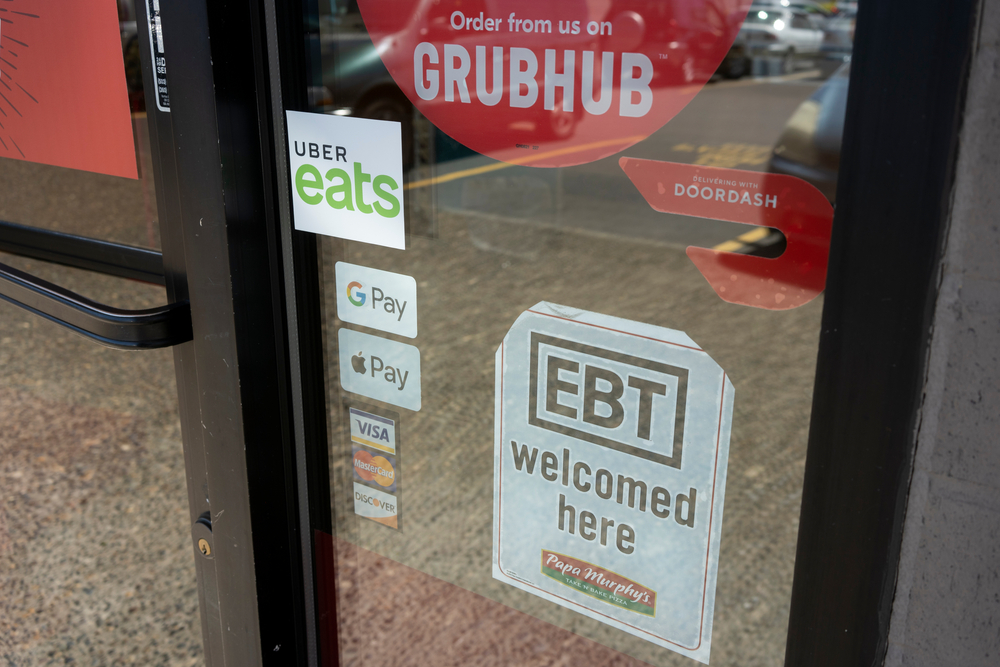
On December 29, 2022, President Biden signed into law the Consolidated Appropriations Act of 2023, which — for the first time ever — includes provisions for the replacement of stolen EBT benefits. This is a big deal because in 2022, organized crime groups began massively targeting EBT accounts — often emptying affected accounts at ATMs immediately after the states disperse funds each month.
EBT cards can be used along with a personal identification number (PIN) to pay for goods at participating stores, and to withdraw cash from an ATM. However, EBT cards differ from debit cards issued to most Americans in two important ways. First, most states do not equip EBT cards with smart chip technology, which can make the cards more difficult and expensive for skimming thieves to clone.
More critically, EBT participants traditionally have had little hope of recovering food assistance funds when their cards were copied by card-skimming devices and used for fraud. That’s because while the EBT programs are operated by individually by the states, those programs are funded by the U.S. Department of Agriculture (USDA), which until late last year was barred from reimbursing states for stolen EBT funds.
The protections passed in the 2023 Appropriations Act allow states to use federal funds to replace stolen EBT benefits, and they permit states to seek reimbursement for any skimmed EBT funds they may have replaced from their own coffers (dating back to Oct. 1, 2022).
But first, all 50 states must each submit a plan for how they are going to protect and replace food benefits stolen via card skimming. Guidance for the states in drafting those plans was issued by the USDA on Jan. 31 (PDF), and states that don’t get them done before Feb. 27, 2023 risk losing the ability to be reimbursed for EBT fraud losses.
Deborah Harris is a staff attorney at The Massachusetts Law Reform Institute (MLRI), a nonprofit legal assistance organization that has closely tracked the EBT skimming epidemic. In November 2022, the MLRI filed a class-action lawsuit against Massachusetts on behalf of thousands of low-income families who were collectively robbed of more than $1 million in food assistance benefits by card skimming devices secretly installed at cash machines and grocery store checkout lanes across the state.
Harris said she’s pleased that the USDA guidelines were issued so promptly, and that the guidance for states was not overly prescriptive. For example, some security experts have suggested that adding contactless capability to EBT cards could help participants avoid skimming devices altogether. But Harris said contactless cards do not require a PIN, which is the only thing that stops EBT cards from being drained at the ATM when a participant’s card is lost or stolen.
Then again, nothing in the guidance even mentions chip-based cards, or any other advice for improving the physical security of EBT cards. Rather, it suggests states should seek to develop the capability to perform basic fraud detection and alerting on suspicious transactions, such as when an EBT card that is normally used only in one geographic area suddenly is used to withdraw cash at an ATM halfway across the country.
“Besides having the states move fast to approve their plans, we’d also like to see a focused effort to move states from magstripe-only cards to chip, and also assisting states to develop the algorithms that will enable them to identify likely incidents of stolen benefits,” Harris said.
Harris said Massachusetts has begun using algorithms to look for these suspicious transaction patterns throughout its EBT network, and now has the ability to alert households and verify transactions. But she said most states do not have this capability.
“We have heard that other states aren’t currently able to do that,” Harris said. “But encouraging states to more affirmatively identify instances of likely theft and assisting with the claims and verification process is critical. Most households can’t do that on their own, and in Massachusetts it’s very hard for a person to get a copy of their transaction history. Some states can do that through third-party apps, but something so basic should not be on the burden of EBT households.”
Some states aren’t waiting for direction from the federal government to beef up EBT card security. Like Maryland, which identified more than 1,400 households hit by EBT skimming attacks last year — a tenfold increase over 2021.
Advocates for EBT beneficiaries in Maryland are backing Senate Bill 401 (PDF), which would require the use of chip technology and ongoing monitoring for suspicious activity (a hearing on SB401 is scheduled in the Maryland Senate Finance Commission for Thursday, Feb. 23, at 1 p.m.).
Michelle Salomon Madaio is a director at the Homeless Persons Representation Project, a legal assistance organization based in Silver Spring, Md. Madaio said the bill would require the state Department of Human Services to replace skimmed benefits, not only after the bill goes into effect but also retroactively from January 2020 to the present.
Madaio said the bill also would require the state to monitor for patterns of suspicious activity on EBT cards, and to develop a mechanism to contact potentially affected households.
“For most of the skimming victims we’ve worked with, the fraudulent transactions would be pretty easy to spot because they mostly happened in the middle of the night or out of state, or both,” Madaio said. “To make matters worse, a lot of families whose benefits were scammed then incurred late fees on many other things as a result.”
It is not difficult to see why organized crime groups have pounced on EBT cards as easy money. In most traditional payment card transactions, there are usually several parties that have a financial interest in minimizing fraud and fraud losses, including the bank that issued the card, the card network (Visa, MasterCard, Discover, etc.), and the merchant.
But that infrastructure simply does not exist within state EBT programs, and it certainly isn’t a thing at the inter-state level. What that means is that the vast majority of EBT cards have zero fraud controls, which is exactly what continues to make them so appealing to thieves.
For now, the only fraud controls available to most EBT cardholders include being especially paranoid about where they use their cards, and frequently changing their PINs.
According to USDA guidance issued prior to the passage of the appropriations act, EBT cardholders should consider changing their card PIN at least once a month.
“By changing PINs frequently, at least monthly, and doing so before benefit issuance dates, households can minimize their risk of stolen benefits from a previously skimmed EBT card,” the USDA advised.
from Krebs on Security https://ift.tt/WIKcTLt
via IFTTT

They’re not all that different from their predecessors, but they’re still some of the best phones you can buy.
from Gear Latest https://ift.tt/5i8UtLg
via IFTTT
Grab a glass of chardonnay and settle in for a special blend of hilarious new scenes alongside celebrity tributes and bloopers from the iconic sitcom.
from New On Netflix USA https://ift.tt/FDPpzuq
via IFTTT
A woman’s life is turned upside-down when a dangerous man gets a hold of her lost cell phone and uses it to track her every move.
from New On Netflix USA https://ift.tt/5P8ELrH
via IFTTT
 Pacosite's Blog