By spotting these early warning signs of identity theft, you can minimize the impact on you and your family
The post 5 warning signs your identity has been stolen appeared first on WeLiveSecurity
from WeLiveSecurity https://ift.tt/3EZORYk
via IFTTT

By spotting these early warning signs of identity theft, you can minimize the impact on you and your family
The post 5 warning signs your identity has been stolen appeared first on WeLiveSecurity
from WeLiveSecurity https://ift.tt/3EZORYk
via IFTTT
Automates security policy design to ensure compliance and reduce likelihood of breach announcing significant updates to other marketplace apps.
from Dark Reading https://ift.tt/3yoPA2R
via IFTTT
Google Survey of 1,000 U.S. consumers uncovers data privacy disconnect, a call to action for businesses.
from Dark Reading https://ift.tt/3oW5oH8
via IFTTT
Amid the increase in Log4J attack activity, at least one Iranian state-backed threat group is preparing to target the vulnerability, experts say.
from Dark Reading https://ift.tt/30ufu8Q
via IFTTT
The December rollout includes 67 security patches and addresses one zero-day and five more publicly known vulnerabilities.
from Dark Reading https://ift.tt/3F8l67y
via IFTTT
North America-based Superior Plus “temporarily disabled” some of its systems in the wake of the attack.
from Dark Reading https://ift.tt/3dT03di
via IFTTT
The attack forced a shutdown of computer systems and websites for Virginia legislative agencies and commissions, reports state.
from Dark Reading https://ift.tt/3oWFZgG
via IFTTT
Security professionals are burning out from handling too many tools and facing a growing number of threats, and more than 40% see lack of leadership as the main problem.
from Dark Reading https://ift.tt/325CKdP
via IFTTT
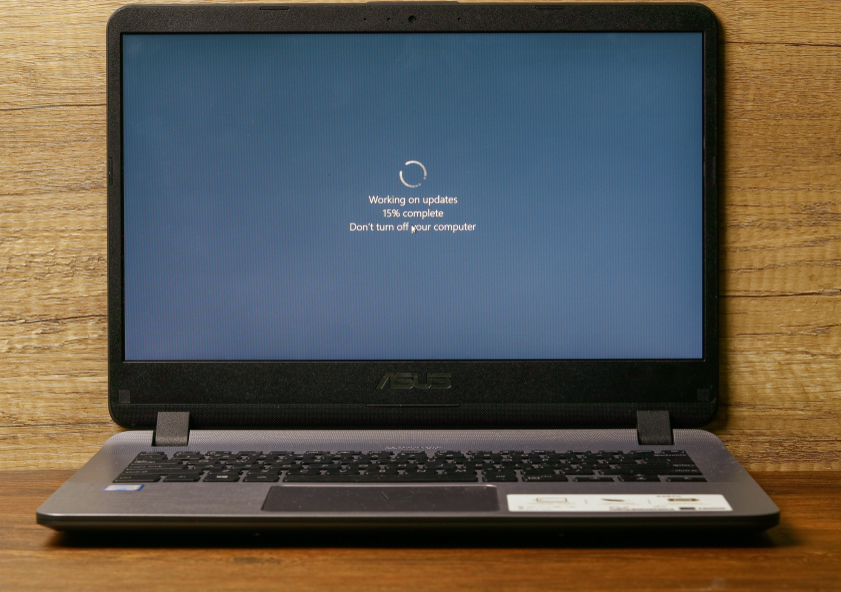
Microsoft, Adobe, and Google all issued security updates to their products today. The Microsoft patches include six previously disclosed security flaws, and one that that is already being actively exploited. But this month’s Patch Tuesday is overshadowed by the “Log4Shell” 0-day exploit in a popular Java library that web server administrators are now racing to find and patch amid widespread exploitation of the flaw.
Log4Shell is the name picked for a critical flaw disclosed Dec. 9 in the popular logging library for Java called “log4j,” which is included in a huge number of Java applications. Publicly released exploit code allows an attacker to force a server running a vulnerable log4j library to execute commands, such as downloading malicious software or opening a backdoor connection to the server.
According to researchers at Lunasec, many, many services are vulnerable to this exploit.
“Cloud services like Steam, Apple iCloud, and apps like Minecraft have already been found to be vulnerable,” Lunasec wrote. “Anybody using Apache Struts is likely vulnerable. We’ve seen similar vulnerabilities exploited before in breaches like the 2017 Equifax data breach. An extensive list of responses from impacted organizations has been compiled here.”
“If you run a server built on open-source software, there’s a good chance you are impacted by this vulnerability,” said Dustin Childs of Trend Micro’s Zero Day Initiative. “Check with all the vendors in your enterprise to see if they are impacted and what patches are available.”
Part of the difficulty in patching against the Log4Shell attack is identifying all of the vulnerable web applications, said Johannes Ullrich, an incident handler and blogger for the SANS Internet Storm Center. “Log4Shell will continue to haunt us for years to come. Dealing with log4shell will be a marathon,” Ullrich said. “Treat it as such.” SANS has a good walk-through of how simple yet powerful the exploit can be.
“Basically the perfect ending to cybersecurity in 2021 is a 90s style Java vulnerability in an open source module, written by two volunteers with no funding, used by large cybersecurity vendors, undetected until Minecraft chat got pwned, where nobody knows how to respond properly,” researcher Kevin Beaumont quipped on Twitter.
A half-dozen of the vulnerabilities addressed by Microsoft today earned its most dire “critical” rating, meaning malware or miscreants could exploit the flaws to gain complete, remote control over a vulnerable Windows system with little or no help from users.
The Windows flaw already seeing active exploitation is CVE-2021-43890, which is a “spoofing” bug in the Windows AppX installer on Windows 10. Microsoft says it is aware of attempts to exploit this flaw using specially crafted packages to implant malware families like Emotet, Trickbot, and BazaLoader.
Kevin Breen, director of threat research for Immersive Labs, said CVE-2021-43905 stands out of this month’s patch batch.
“Not only for its high CVSS score of 9.6, but also because it’s noted as ‘exploitation more likely’,” Breen observed.
Microsoft also patched CVE-2021-43883, an elevation of privilege vulnerability in Windows Installer.
“This appears to be a fix for a patch bypass of CVE-2021-41379, another elevation of privilege vulnerability in Windows Installer that was reportedly fixed in November,” Satnam Narang of Tenable points out. “However, researchers discovered that fix was incomplete, and a proof-of-concept was made public late last month.”
Google issued five security fixes for Chrome, including one rated critical and three others with high severity. If you’re browsing with Chrome, keep a lookout for when you see an “Update” tab appear to the right of the address bar. If it’s been a while since you closed the browser, you might see the Update button turn from green to orange and then red. Green means an update has been available for two days; orange means four days have elapsed, and red means your browser is a week or more behind on important updates. Completely close and restart the browser to install any pending updates.
Also, Adobe issued patches to correct more than 60 security flaws in a slew of products, including Adobe Audition, Lightroom, Media Encoder, Premiere Pro, Prelude, Dimension, After Effects, Photoshop, Connect, Experience Manager and Premiere Rush.
Standard disclaimer: Before you update Windows, please make sure you have backed up your system and/or important files. It’s not uncommon for a Windows update package to hose one’s system or prevent it from booting properly, and some updates have been known to erase or corrupt files.
So do yourself a favor and backup before installing any patches. Windows 10 even has some built-in tools to help you do that, either on a per-file/folder basis or by making a complete and bootable copy of your hard drive all at once.
And if you wish to ensure Windows has been set to pause updating so you can back up your files and/or system before the operating system decides to reboot and install patches on its own schedule, see this guide.
If you experience glitches or problems installing any of these patches this month, please consider leaving a comment about it below; there’s a decent chance other readers have experienced the same and may chime in here with useful tips.
Additional reading:
SANS ISC listing of each Microsoft vulnerability patched today, indexed by severity and affected component.
from Krebs on Security https://ift.tt/3GMTYf8
via IFTTT
The December rollout includes 67 security patches and addresses one zero-day and five more publicly known vulnerabilities.
from Dark Reading https://ift.tt/3F8l67y
via IFTTT

