
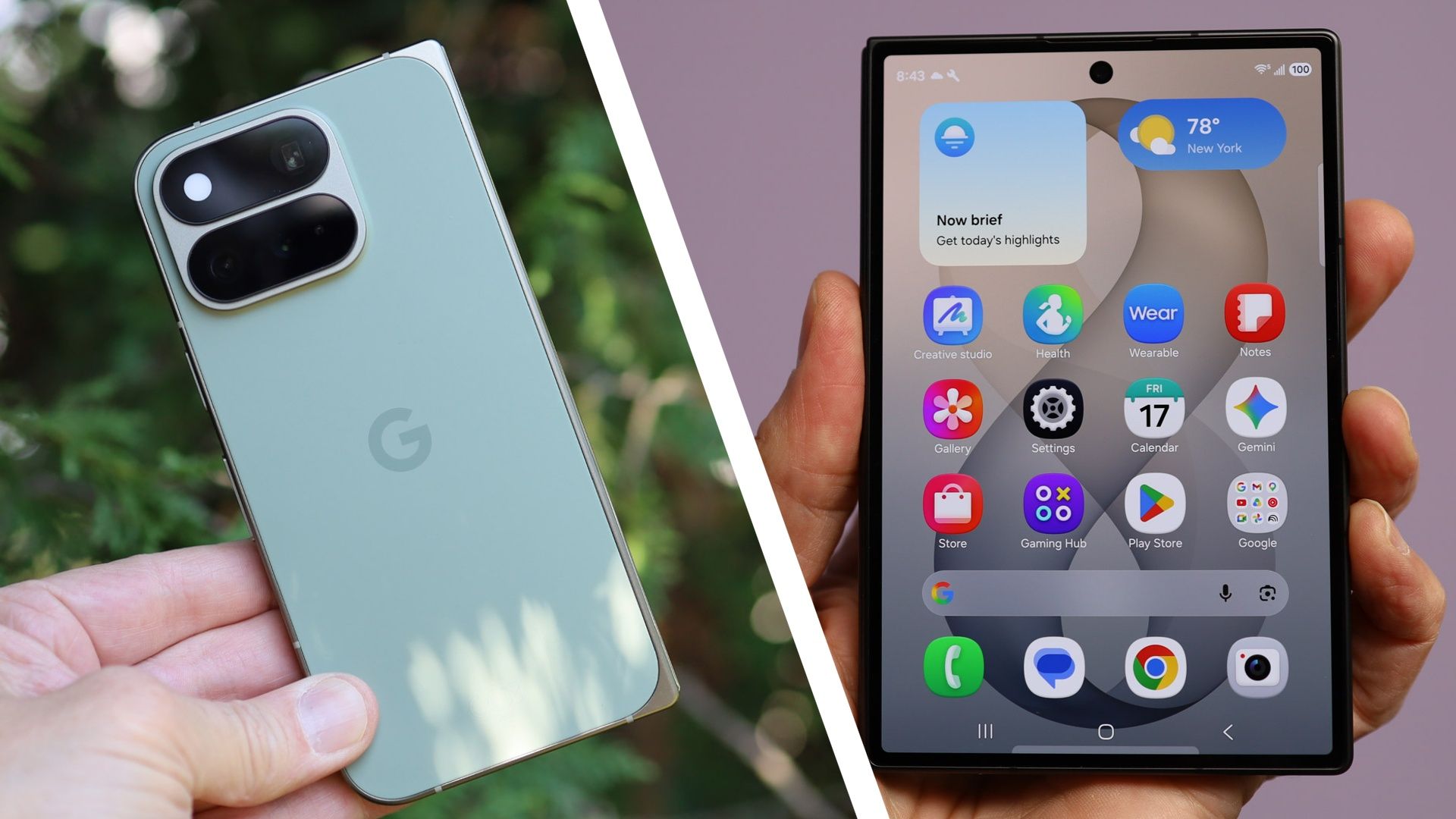
It’s finally official: after what feels like years of leaks, Apple has entered the foldable race with the iPhone Duo. It brings a host of new features, but also has the same passport-style form factor as the recently launched Galaxy Z Fold 8, Xiaomi 18 Fold, and Huawei Pura X Max.
Apple’s first foldable features many of the same compromises you might expect from a first-generation foldable, even from a company as meticulous as Apple, but the biggest concern for most users may be around the Duo’s battery life.
I’ve spent the past three months using the Galaxy Z Fold 8 and its competitors. What battery life do they offer, and what can we learn from it? I tested six of the best globally available flagship foldables over several weeks to answer that question.
How I tested the folding phones’ battery life
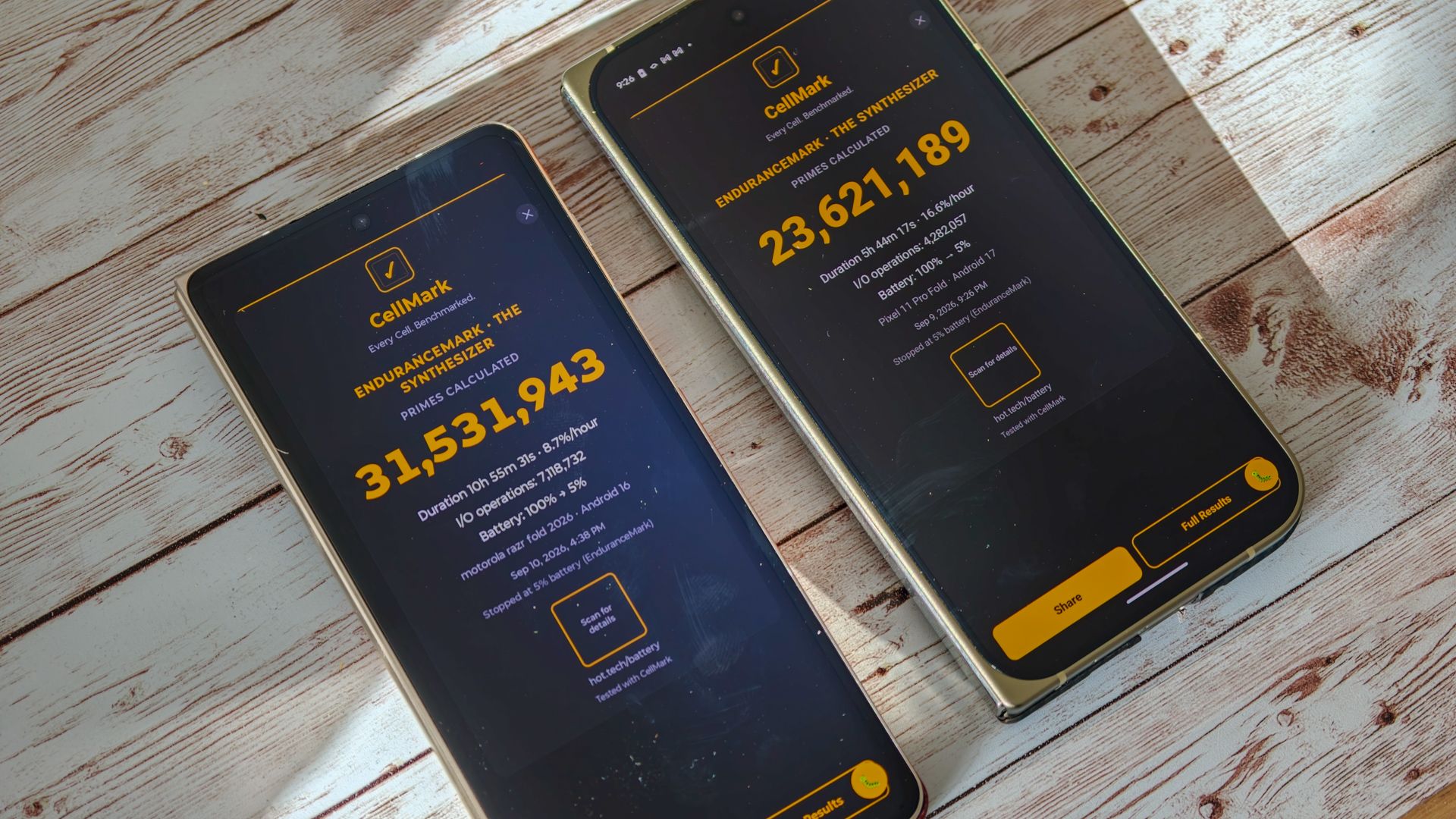
Over the past few months, I’ve been developing my own battery testing suite, CellMark, using a combination of AI models. After hundreds of hours and various iterations, I’ve built a solid test suite that accounts for each phone maker’s idiosyncrasies and how the average person actually uses their phone today.
For this comparison, I ran the EnduranceMark suite, which loops until the battery level reaches 5%. A test is only valid if it successfully drains 80% of the battery, and each result below is characterized using a standardized metric. I ran two tests from this suite: the Synthesizer test to test drain under heavy loads, and my favorite, the Doom Scroller. As the name suggests, it simulates everyone’s favorite pastime of endlessly scrolling social media.
I also ran the ChargeMark charging test to log battery charging times. I paired the three CellMark tests with a web-browsing script that loaded 20 different web pages, scrolled at intervals, and looped to the next page, plus a looping video playback test.
As some phone makers aggressively limit background apps, some phones failed to complete certain tests, but I’ve included the relevant tests regardless.
Of course, these tests aren’t 100% indicative of real-world usage, but anecdotally, the Galaxy Z Fold 8 Doom Scrolling results closely matched my findings during daily use. Having tested smartphones for 20 years, I’m confident in the CellMark app’s results.
Round 1: The charging test
For years, charging speeds differed markedly between folding phones sold in the US and those sold outside it. Simply put, the former were vastly slower than the latter.
|
Phone |
Size |
15 min |
30 min |
100% |
Drain rate |
|---|---|---|---|---|---|
|
Galaxy Z Fold 8 |
4,800mAh |
33% |
66% |
69 minutes |
69.6mAh / min |
|
Galaxy Z Fold 8 Ultra |
5,000mAh |
41% |
71% |
60 minutes |
83.3mAh / min |
|
Pixel 11 Pro Fold |
4,806mAh |
26% |
47% |
54 minutes |
54mAh / min |
|
Moto Razr Fold |
6,000mAh |
67% |
67% |
100 minutes |
100mAh / min |
|
Oppo Find N6 |
6,000mAh |
84% |
84% |
47 minutes |
127.7mAh / min |
|
Honor Magic V6 |
6,660mAh |
66% |
66% |
59 minutes |
112.9mAh / min |
In the above charging test, the Galaxy Z Fold 8’s 45W charging speed got it to a respectable 69-minute full charge, but the Galaxy Z Fold 8 Ultra sustained 45W charging for longer to reach a full charge in one hour.
The Moto Razr Fold, Honor Magic V6, y Oppo Find N6 fueron los tres primeros en orden ascendente, con Oppo manteniendo una ventaja de carga que ha mantenido durante años. El Google Pixel 11 Pro Fold quedó en último lugar, lo cual no sorprende dado que su carga es la más lenta.
Para el iPhone Duo, Apple dice que la carga de 60W puede alcanzar el 50% en solo 20 minutos. Apple no ha publicado una estimación de la carga completa, especialmente porque los teléfonos optimizan las velocidades de carga para la longevidad, pero sus afirmaciones sitúan la velocidad de carga del iPhone Duo alrededor del nivel del Honor Magic V6 y Galaxy Z Fold 8 Ultra.
Round 2: The web browsing test
The second test was web browsing, and each phone ran a script to load 20 of the heaviest webpages on the internet and scroll through them to simulate real-world usage. Running in a loop, this gives us an estimate of the battery life if you’re always using your browser.
|
Phone |
Size |
100 –> 0% |
Drain rate |
Drain rate |
|---|---|---|---|---|
|
Galaxy Z Fold 8 |
4,800mAh |
17 hours 44 minutes |
5.64 %/hr |
270.7 mAh/hour |
|
Galaxy Z Fold 8 Ultra |
5,000mAh |
14 hours 11 minutes |
7.05 %/hr |
352.5 mAh/hour |
|
Pixel 11 Pro Fold |
4,806mAh |
13 hours 52 minutes |
7.21 %/hr |
346.6 mAh/hour |
|
Moto Razr Fold |
6,000mAh |
20 hours 14 minutes |
4.86 %/hr |
291.7 mAh/hour |
|
Oppo Find N6 |
6,000mAh |
18 hours 52 minutes |
5.48 %/hr |
328.8 mAh/hour |
|
Honor Magic V6 |
6,660mAh |
18 hours 11 minutes |
5.50 %/hr |
366.3 mAh/hour |
The Galaxy Z Fold 8 proved surprisingly strong here, but that’s where a smaller screen comes in handy. Its drain rate was the lowest of all tests, meaning a larger battery at the same drain rate would theoretically give us the best battery life overall.
The Pixel 11 Pro Fold fell short of the competition, even though its drain rate was only the third-highest, while the Motorola Razr Fold proved that the Razr Fold — and its Snapdragon 8 Gen 5 processor — is very well optimized for web browsing. Apple hasn’t revealed any iPhone Duo web-browsing estimates, so it’s unclear what to expect.
Round 3: The video playback test
The other fairly standard test is video playback, which lets us directly test many phone makers’ listed claims. This involved looping a locally stored 4K video in the default media player with the phone’s brightness set to 50%.
|
Phone |
Size |
100 –> 0% |
OEM Claims |
Drain rate |
Drain rate |
|---|---|---|---|---|---|
|
Galaxy Z Fold 8 |
4,800mAh |
20 hours 32 minutes |
26 hours |
4.87 %/hr |
233.8 mAh/hour |
|
Galaxy Z Fold 8 Ultra |
5,000mAh |
20 hours 39 minutes |
27 hours |
4.84 %/hr |
242.1 mAh/hour |
|
Pixel 11 Pro Fold |
4,806mAh |
18 hours 14 minutes |
24 hours |
5.48 %/hr |
263.6 mAh/hour |
|
Moto Razr Fold |
6,000mAh |
20 hours 49 minutes |
39 hours |
4.80 %/hr |
288.2 mAh/hour |
|
Oppo Find N6 |
6,000mAh |
22 hours 47 minutes |
26 hours |
4.39 %/hr |
263.4 mAh/hour |
|
Honor Magic V6 |
6,660mAh |
21 hours 57 minutes |
24 hours |
4.56 %/hr |
303.4 mAh/hour |
It’s clear that every phone maker makes bold battery-life claims that don’t always reflect your real-world experience. Here, Samsung, Oppo, and Honor deserve credit for fairly accurate video playback claims, whereas the results on the Moto Razr Fold and Pixel 11 Pro Fold fall far short of what’s stated.
For the iPhone Duo, Apple claims that you’ll get up to 35 hours of video playback on the inside screen and up to 44 hours on the outer display. If it lives up to these claims, or even comes close, it will likely have the best video playback battery life of any folding phone.
Round 4: The Synthesizer performance test
Web browsing and video playback are two common ways we use our phones, but companies also optimize for these scenarios, and phones struggle considerably under heavy loads.
To test this, I built the Synthesizer, which runs a series of calculations around ever-increasing prime numbers and runs numerous I/O operations in the background, both designed to heavily tax the chipset.
|
Phone |
Size |
Elapsed |
Projected |
Primes |
IO operations run |
Drain rate |
|---|---|---|---|---|---|---|
|
Galaxy Z Fold 8 |
4,800mAh |
20 hours 32 minutes |
5 hours 51 minutes |
25.8M |
5.57M |
16.07% |
|
Galaxy Z Fold 8 Ultra |
5,000mAh |
20 hours 39 minutes |
6 hours 03 minutes |
27.0M |
5.99M |
15.54% |
|
Pixel 11 Pro Fold |
4,806mAh |
18 hours 14 minutes |
7 hours 05 minutes |
26.6M |
4.21M |
13.27% |
|
Moto Razr Fold |
6,000mAh |
20 hours 49 minutes |
10 hours 55 minutes |
31.5M |
7.12M |
8.60% |
|
Oppo Find N6 |
6,000mAh |
22 hours 47 minutes |
11 hours 32 minutes |
31.4M |
9.08M |
8.15% |
|
Honor Magic V6 |
6,660mAh |
21 hours 57 minutes |
12 hours 37 minutes |
33.4M |
10.92M |
7.45% |
None of these results are surprising on their own, but together they show just how differently each phone maker has balanced power and efficiency.
The Galaxy Z Fold 8 and Fold 8 Ultra use the high-specification Snapdragon 8 Elite Gen 5 for Galaxy chipset, and Samsung doesn’t throttle performance of the chipset. The result is ~5.5 hours of battery life at high performance.
The Tensor G6 inside the Pixel 11 Pro Fold is surprisingly well optimized, but as the above test shows, Motorola, Honor, and Oppo all offer considerably better battery performance and battery-life balance. The result is sustained high-load performance for much longer.
Round 5: The doomscrolling test
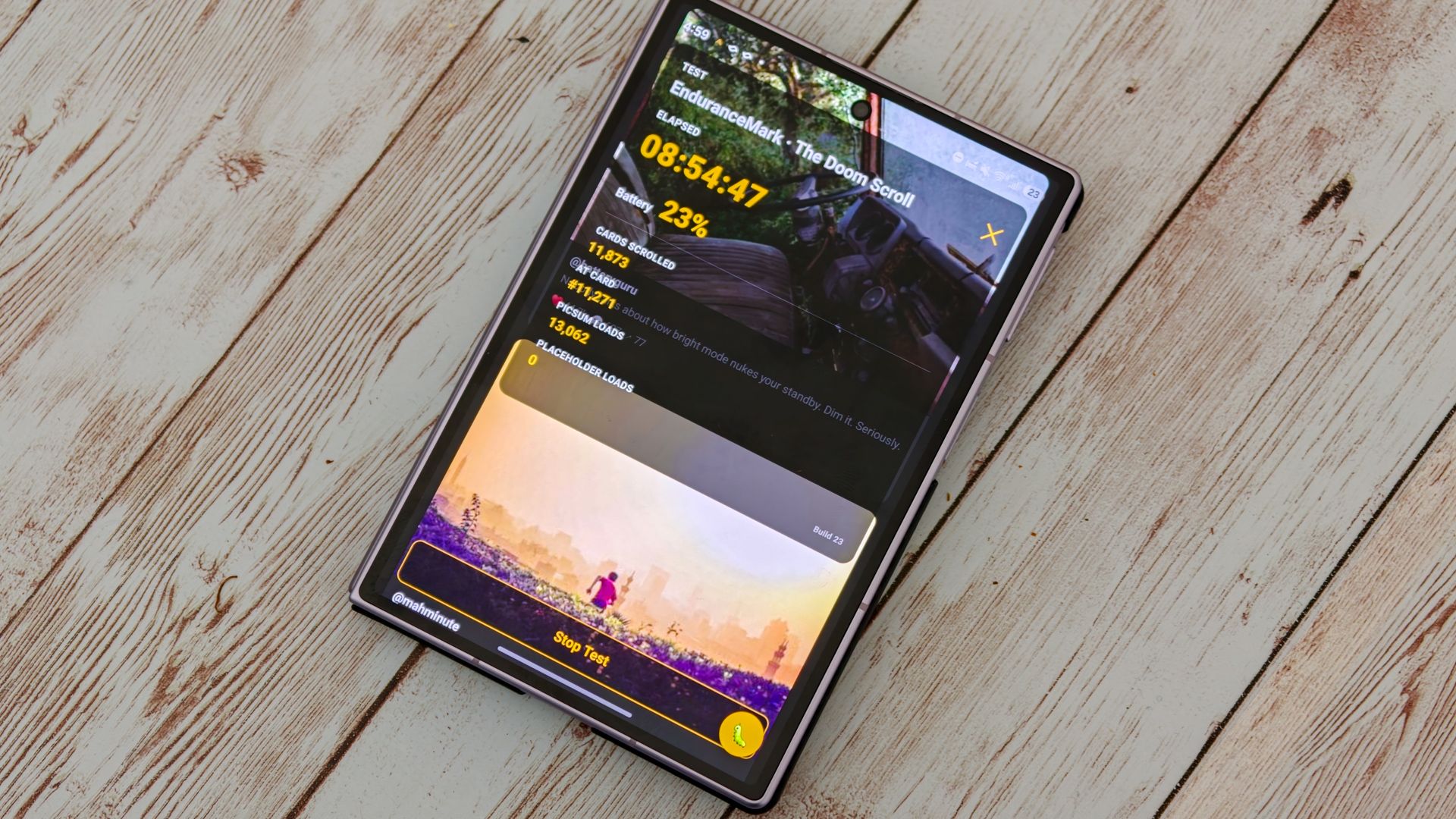
Cuando empecé a construir CellMark, me propuse crear una app que pudiera, entre otras pruebas, simular el uso de redes sociales. Considerando cómo usamos nuestros teléfonos — y mis necesidades adicionales para demostrar de forma visual tests de batería y carga en redes sociales — esto pareció la prueba más natural de diseñar.
También es donde he encontrado desafíos con Oppo y Motorola específicamente, que impiden que CellMark ejecute pruebas durante más de nueve horas. Aun así, revela datos muy interesantes.
|
Phone |
Elapsed (~100% > 5%) |
Cards rold |
Drain |
Drain |
Thermal |
|---|---|---|---|---|---|
|
Galaxy Z Fold 8 |
9 hours 58 minutes |
13,257 |
9.22 % per hour |
442.6 mAh/hour |
Fair |
|
Galaxy Z Fold 8 Ultra |
13 hours 04 minutes |
16,144 |
7.19 % per hour |
359.7 mAh/hour |
Critical |
|
Pixel 11 Pro Fold |
10 hours 54 minutes |
14,087 |
8.62 % per hour |
414.2 mAh/hour |
Fair |
|
Moto Razr Fold |
14 hours 53 minutes |
18,067 |
6.31 % per hour |
420.2 mAh/hour |
Fair |
|
Oppo Find N6 |
– |
12,432 |
2.42 % per hour |
145.2 mAh/hour |
Nominal |
|
Honor Magic V6 |
– |
12,415 |
2.79 % per hour |
167.3 mAh/hour |
Nominal |
First, the thin body on the Galaxy Z Fold 8 Ultra and larger battery mean it runs considerably hotter than all the competition.
The thicker build and vapor chamber of the iPhone Duo should mean this won’t be an issue for Apple’s first foldable, although the A20 Pro chipset is a powerhouse. The Galaxy Z Fold 8 proves it’s possible to be a small phone without succumbing to overheating problems, despite using the same processor as its sibling.
The performance of the Pixel 11 Pro Fold proves the Tensor G6 is a welcome improvement over the Tensor G5, while the Honor Magic V6 reigns supreme yet again.
|
Phone |
Duration |
Nominal |
Fair |
Serious |
Critical |
|---|---|---|---|---|---|
|
Galaxy Z Fold 8 |
9 hours 58 minutes |
46.0% |
54.0% |
0% |
0% |
|
Galaxy Z Fold 8 Ultra |
13 hours 04 minutes |
68.8% |
0.5% |
3.1% |
27.5% |
|
Pixel 11 Pro Fold |
10 hours 54 minutes |
44.2% |
55.8% |
0% |
0% |
|
Moto Razr Fold |
14 hours 53 minutes |
83.2% |
16.8% |
0% |
0% |
It’s worth noting that the Find N6 and Razr Fold results ran for 9 hours before ending, and while all phones drain much faster as thermal temperature rises, both likely had the lowest drain and best thermal performance.
The key takeaway there? The processor makes a big difference: the Find N6 has one fewer performance core than its rivals, while the Razr Fold uses the Snapdragon 8 Gen 5 rather than the high-performance Elite version. Both companies made these choices with battery life in mind, and it becomes especially apparent when you look at thermal performance in these tests.
The 24-hour Galaxy Z Fold 8 run
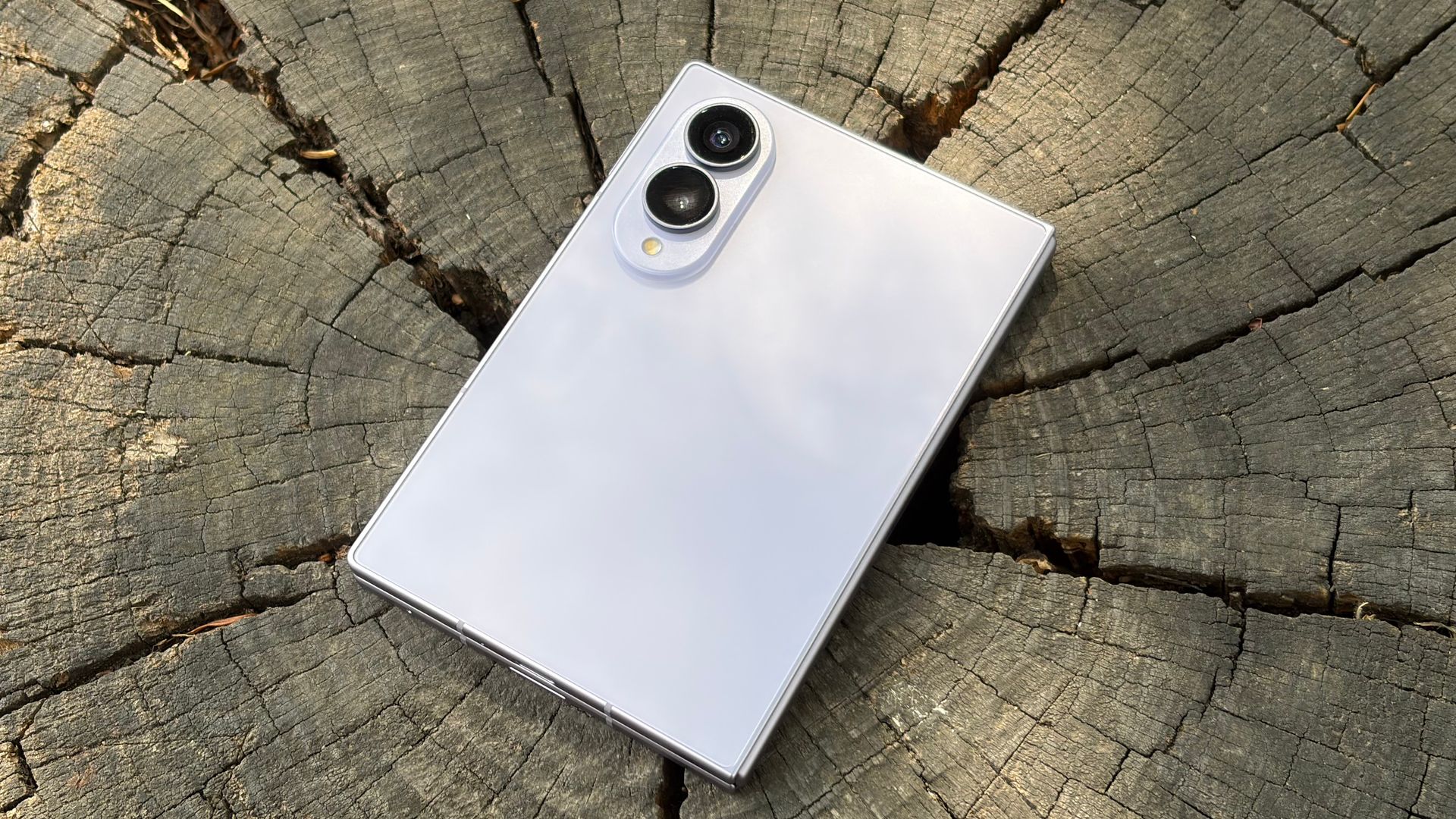
Just days before publishing, I tested the Galaxy Z Fold 8 with a few changes to determine what battery life would look like under more optimal conditions. The surprise is just how much of a difference it makes.
Running the Doom Scroll test on a Galaxy Z Fold 8 with background data sync disabled and brightness set to 40%, I achieved 24 hours and 42 minutes on a single Doom Scroll run. That’s nearly 150% higher than the rest of the Galaxy Z Fold 8 testing results.
Also, every foldable phone maker tells you to open the phone for the fastest charging, partly because of thermal management. During this test, all 8,907 logged telemetry samples showed a nominal thermal status. In simple terms: unfold your phone to keep it cooler.
How might the iPhone Duo’s battery compare?
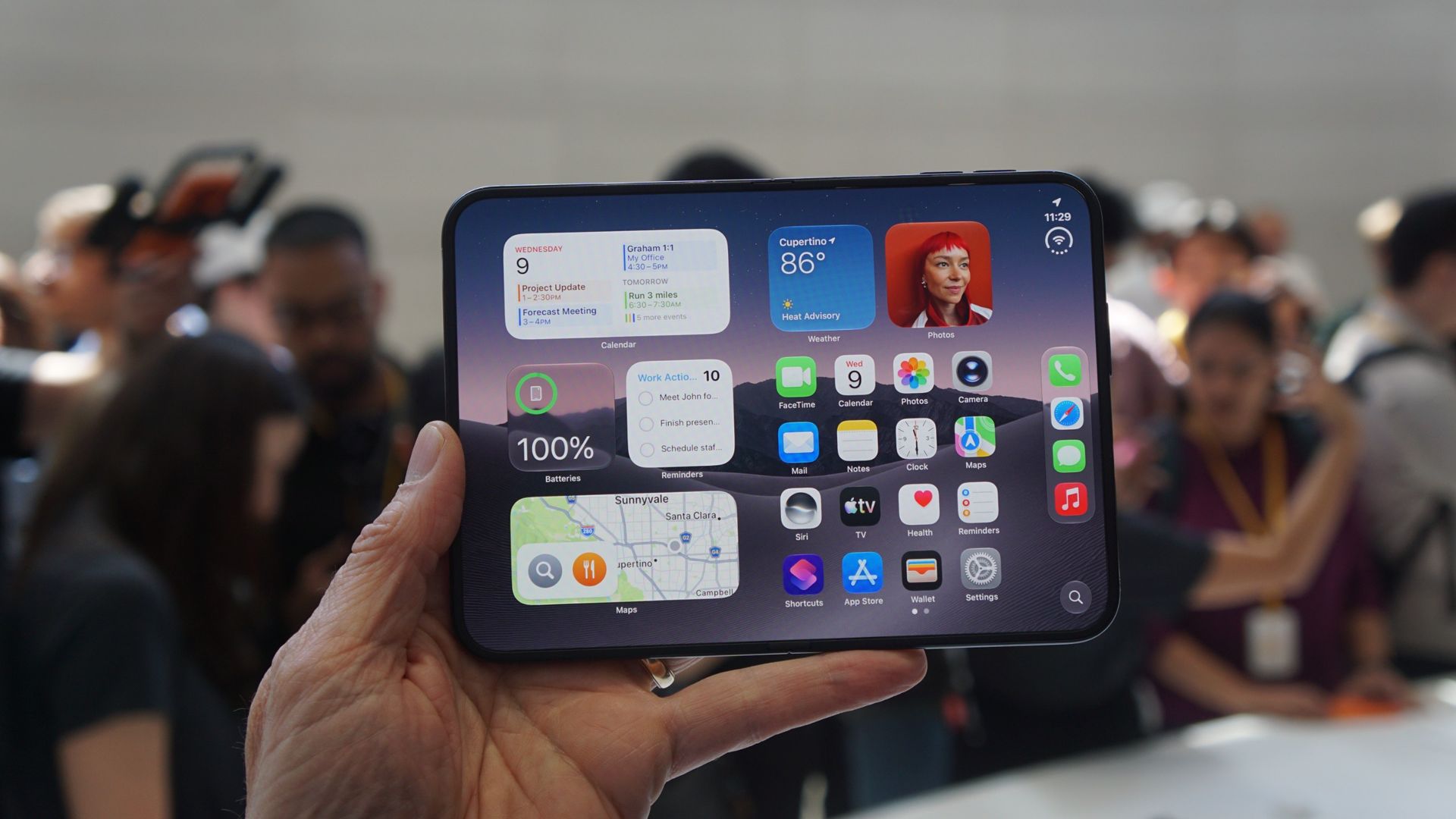
Apple claims the iPhone Duo has better battery life than the iPhone 17 Pro Max, offering up to 35 hours of video playback when unfolded or 44 hours when folded. That puts it 35% higher than the Galaxy Z Fold 8, and paired with a thicker body and better thermal management, the iPhone Duo could set a new battery-life benchmark for folding phones in the US.
The true test will be in real-world use cases like Doom Scroller. I’m excited to see how optimized the iPhone Duo is, but am cautiously optimistic that it can at least match the Galaxy Z Fold 8. We’ll find out once the iPhone Duo goes on sale.
from Latest from TechRadar https://ift.tt/68h9Zts
via IFTTT IA

