
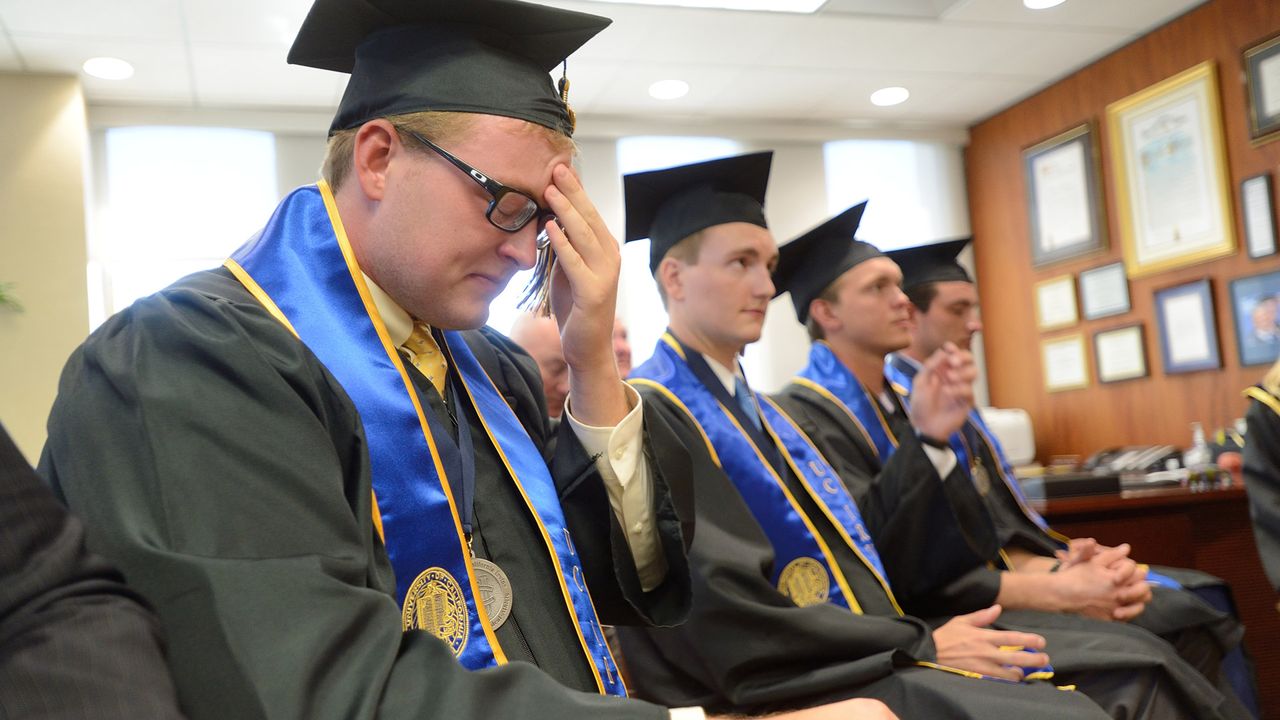
Recent data from the Federal Reserve Bank of New York point to a nuanced trend in graduate unemployment that predates the widespread adoption of artificial intelligence. While AI has become a focal point of policy debates and workforce planning, the early signals in the data suggest that structural factors in the labor market were already exerting pressure on new graduates before automation and intelligent systems disrupted hiring in earnest.
Key observations emerge from the NY Fed analysis:
– Upward drift in unemployment rates among recent graduates began in the years preceding the mainstream integration of AI technologies. This indicates that the maturation of the job market for new entrants is influenced by persistent frictions beyond automation cycles.
– Sectoral shifts in demand, particularly within traditional entry-level industries, paired with longer job-search timelines, contributed to a slower onboarding process for new graduates. Employers increasingly favored candidates with specialized experience or advanced credentials, widening the gap for those completing a standard degree curriculum.
– Geographic dispersion and regional economic cycles played a measurable role. Regions with slower overall growth and fewer high-skill opportunities tended to experience higher graduate unemployment rates, underscoring the heterogeneity of labor market outcomes across the country.
From a policy perspective, the data underscore the importance of targeted interventions that address structural mismatches between graduate skills and labor market needs. Potential measures include:
– Strengthening ties between higher education and industry through internships, co-ops, and apprenticeship models that provide practical experience aligned with employer expectations.
– Expanding access to credentialing and micro-credential programs that signal employable skills in high-demand areas such as data literacy, digital tooling, and project-based collaboration.
– Regional economic development efforts that incentivize job creation in sectors with durable demand for new entrants, paired with robust career-services that guide graduates through tailored job-search strategies.
It is also crucial to contextualize the NY Fed findings within broader macro trends. While automation and AI present challenges, they coexist with factors such as wage growth, labor force participation, and the pace of technological diffusion across industries. A comprehensive approach to graduate employment should therefore blend readiness for evolving tech-enabled roles with resilience to structural shifts in the economy.
In sum, the New York Fed data reveal that rising graduate unemployment began before AI became a dominant feature of the labor market. This calls for a balanced policy response that not only prepares graduates for a tech-enabled future but also addresses enduring frictions that have historically slowed the transition from education to stable employment.
from Latest from TechRadar https://ift.tt/njZaQEc
via IFTTT IA
 Pacosite's Blog